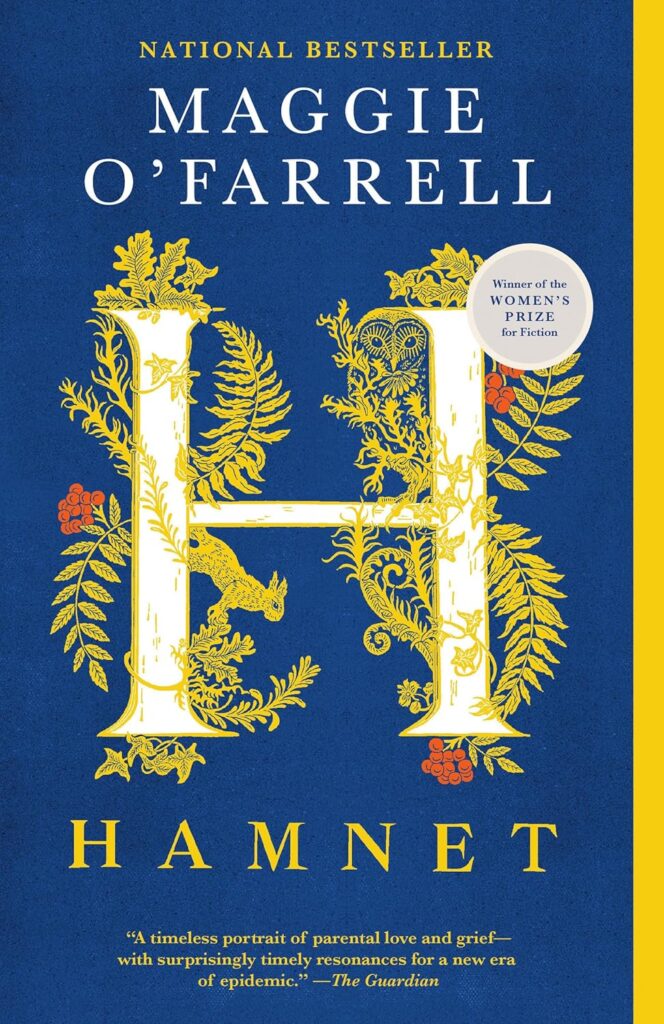
Started reading the real (physical) book and switched to the audiobook on Libby. Interestingly, it’s published as Hamnet & Judith in Canada, but Hamnet in the US/UK.
I’m grateful I listened to the audiobook. The narrator of the version I listened to was Daisy Donovan, and her voice was lovely and lilting. I felt immersed in England, immersed in the late 1500s and early 1600s, and its very unwavering depiction of not-so-glamorous Elizabethan life.
Many thoughts about this novel, a fictionalized account of Shakespeare’s marriage and family, the circumstances leading to his marriage at 18 to the 26-year-old Agnes, their horrible respective families, the death of his 11-year-old son Hamnet due to plague, Shakespeare’s success in London (seen only from afar, as his family did not leave Stratford), and ultimately Shakespeare’s play Hamlet.
O’Farrell is an absolutely beautiful, sumptuous writer. I read her memoir, I Am I Am I Am, last year. Also beautifully written, her memoir focuses on the 20 odd times she or a loved one has had close scrapes with death and violence. Nice gal, I’m sure, but I’m not hanging around with her. Bad. Luck.
Hamnet was made into a movie last year and was up for a bunch of Oscars earlier this month. Haven’t seen the movie, and I’m completely boggled as to how this novel gets turned into a movie. The book is almost entirely in Agnes’ head – her appreciation of nature, her love of her Kestrel hawk, her navigation of her husband’s family’s dynamics. There’s the barest bit of a plot (and spoiler alert, as with Titanic, we know how it’s going to end). Not that much really happens:
Early glimpses of dysfunctional families for Agnes and her husband (who is never named – was the idea supposed to be that the reader is surprised, at the end, when it turns out Agnes’s husband and Hamnet’s father is William Shakespeare? Were we not supposed to have guessed or known?). The husband’s father is a drunken violent brute. Agnes’ stepmother has no love for Agnes and resents her and her brother, resents that they will inherit the farm.
Agnes has other-worldly abilities – like her mother, she is possibly a forest sprite – and has innate healing and clairvoyant capacity. She can look at someone and know if they are sick, diseased, long for this earth.
Agnes and “her husband” falling in love, getting pregnant, seeking his parents’ consent to marry at his young age. The births of their children, including twins Hamnet and Judith.
The husband drops into a deep depression early in the marriage. He adores Agnes, he adores his daughter Susanna. But his father is a drunken brute, and the husband resents every day spent in Stratford, near his father, eking out a pretty unrewarding life of tutoring local children in Latin and running errands for his father’s glove-making business. Agnes schemes with her beloved brother for a pretense for her husband to move to London, where he will seek further opportunities for his father’s business. Agnes and the children will follow – but they never do. Judith is born weak and sickly, and she would never survive London.
The plague is omnipresent – mostly in London, where it shuts down the theatre and sends the husband home to Agnes and the family in Stratford every now and then. Then the plague arrives in Stratford and attacks both Judith and, Agnes learns too late, Hamnet. O’Farrell writes a distracting tangent (in my opinion) following the journey of the flea that bites Judith (and presumably also Hamnet), by ship, from Italy to Stratford, and leaves a wake of casualties in its path. This tangent was my least favourite part of the book. It inserts itself in the space while we know Judith is very very sick and suspect Hamnet also, and we want to get to their inevitable fates. The flea, quite frankly, annoyed me.
Agnes and her husband bury and, separately and at a distance, grieve Hamnet. The novel culminates in Agnes’ first trip into London to see the play that her husband carelessly (or not) named after their dead son (Hamnet and Hamlet apparently being interchangeable names in that time). Agnes is furious and betrayed. Until she slowly understands that the play is her husband’s attempt to revive and memorialize their son.
Hamnet is a gentle, detailed, grief-stricken glimpse into the life of Shakespeare’s family, and how the tragedy of losing his only son may have influenced one of his most famous pieces of art.
I picked up this novel (or is it?) at a charity book sale at the community centre in Mahone Bay this fall. I’d heard of it, vaguely, and it won the Pulitzer Prize back in 2010. I truly didn’t know what to expect.
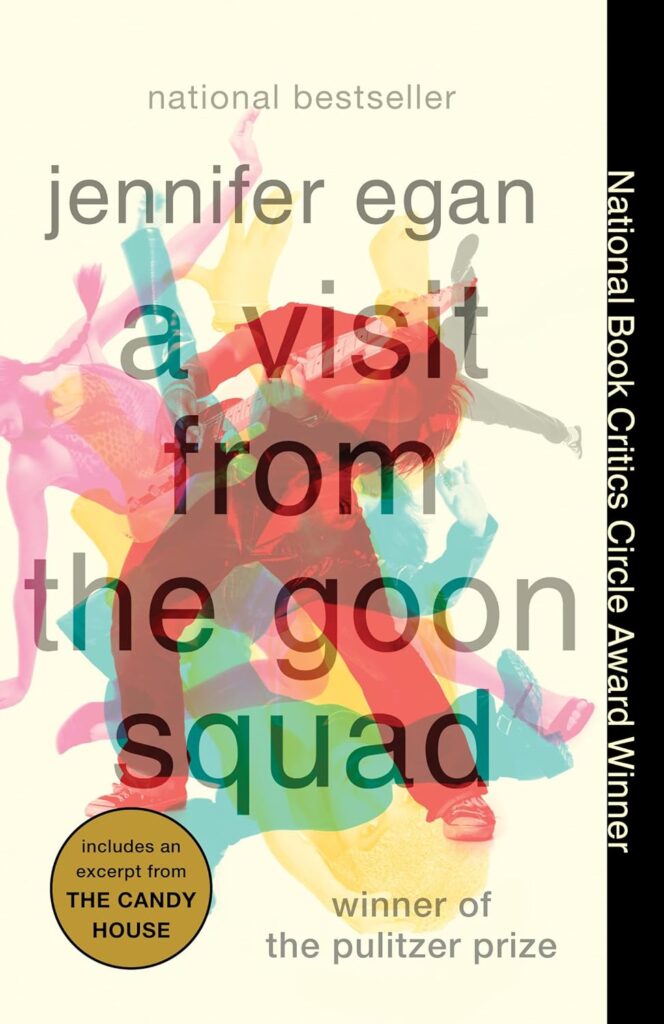
Well, folks, this book is a Wild. Ride. I put it down (well, I started reading the physical book and then switched over to the audiobook on Libby), and I didn’t know what the fuck to think. It reminded me a little bit of the first time I saw Pulp Fiction – what just happened? It’s unique and unpredictable and crazy. I don’t know if it’s brilliant. Or drug-fuelled or drug-addled. Or did the author forget to take her Ritalin? It’s all over the place (and time), and yet comes full circle. It’s hopeful (people change, mature, make real connections) and full of despair, violence, rationalization, narcissism, cynicism, betrayal, and self-destruction.
Author Jennifer Egan creates a series of barely connected short stories that hops between narrators, places, and timelines in a random, dizzying manner. In the middle of the book I started wondering whether it was akin to Elizabeth Strout’s Olive Kitteridge, which I will always contend is a brilliant novel of chapters that are standalone short stories. What makes Olive Kitteridge a novel (vs. simply a book of short stories) is the through line of the main character, Olive Kitteridge, herself. She is the anchor of every story, even if she is only a tangential character in it. The book revolves around her, her town, and her worldview.
Goon Squad has virtually no through line. It’s more like a hopscotch game that goes in multiple directions, violating the time-space continuum constantly. I would definitely argue it’s more a series of mildly related short stories rather than a novel.
But then I read the NYT review of Goon Squad and laughed at this quote:
Whether it is a novel or a collection of linked stories is a matter for the literary accountants to tote up in their ledgers of the inconsequential.
And I think that sentiment is true. Whatever form the book takes, its substance is more important.
I won’t do a plot summary because there is no plot, really. It’s inexplicable, but intriguing. There are characters who show up repeatedly, tangential characters related to those repeat characters who snatch the spotlight, and then characters out of the blue – like a genocidal African dictator who needs some PR help, or a down-on-her-luck actress who helps prop the dictator up, until she doesn’t.
My book club is talking about this book later today, thank goodness. As soon as I finished it, I wished I had someone to chat with about it. I’m curious what they make of it.
UPDATE: Half the book club really liked it, found it innovative and a glimpse into a world they otherwise would never have visited. The remainder: DNF. Didn’t relate to the characters, found it confusing and hard to follow.
I listened to both of these novels back-to-back in recent weeks. I enjoyed both, but was infuriated by both endings (spoiler alert!). They are inextricably linked for me, because their endings betray the messages they purported to tell.
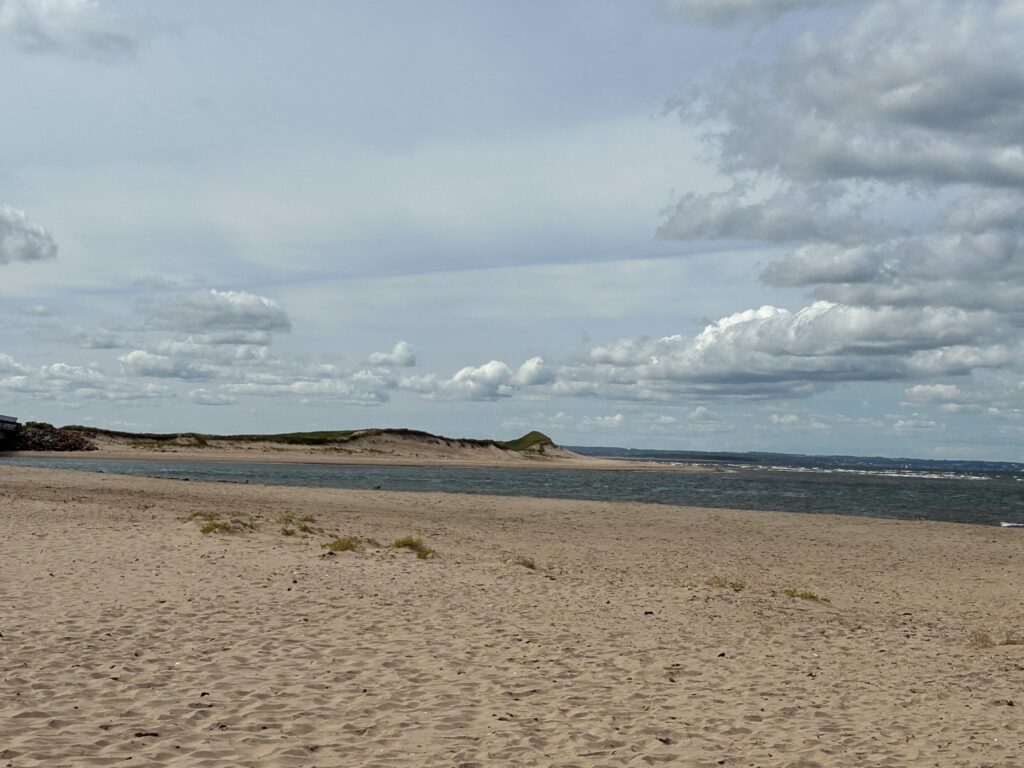
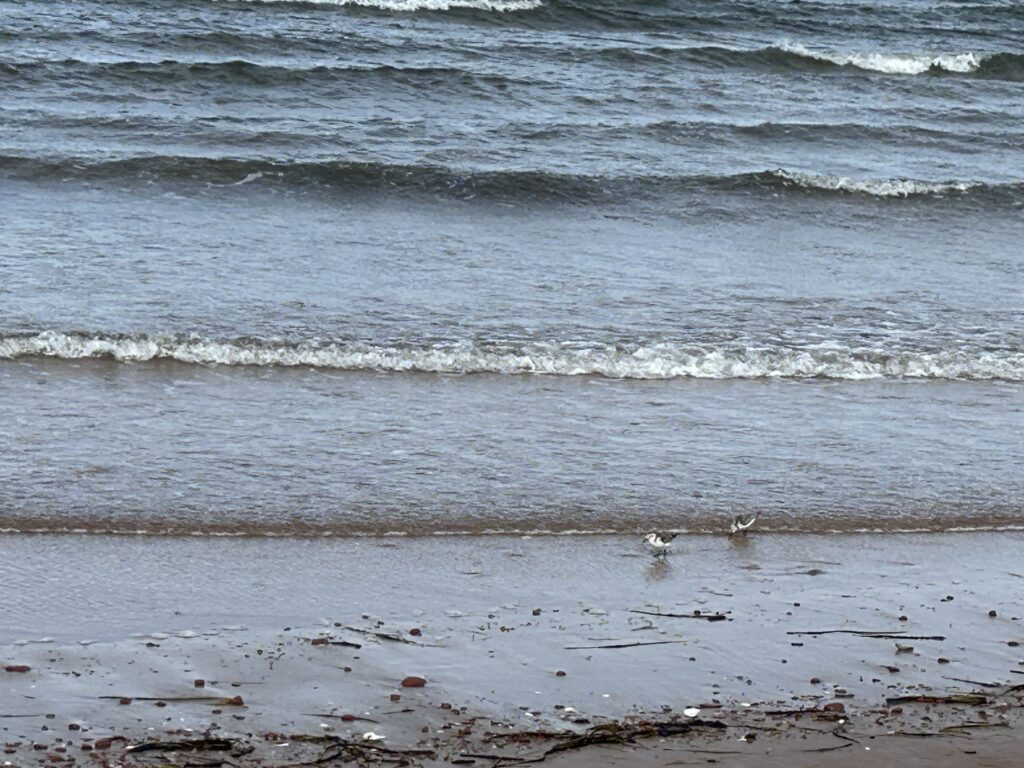
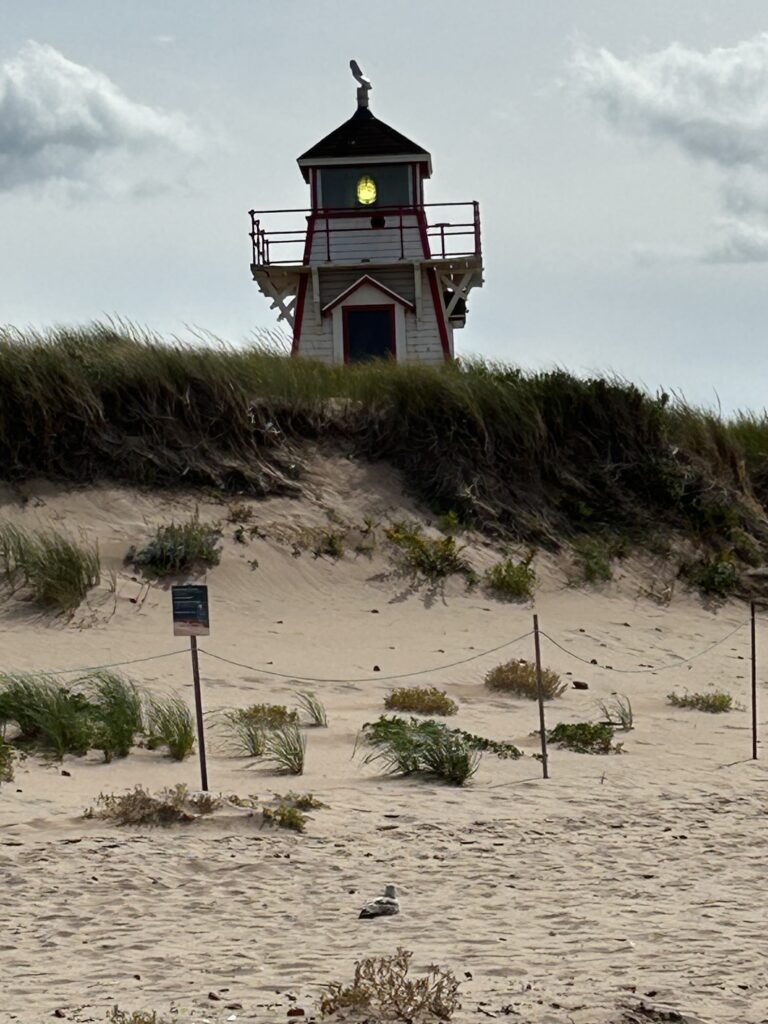
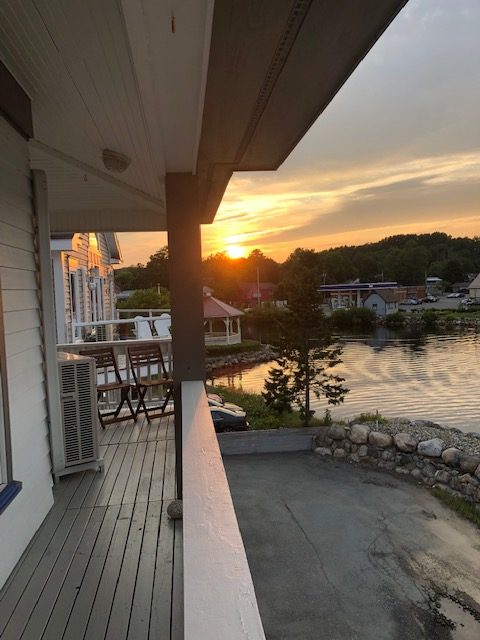
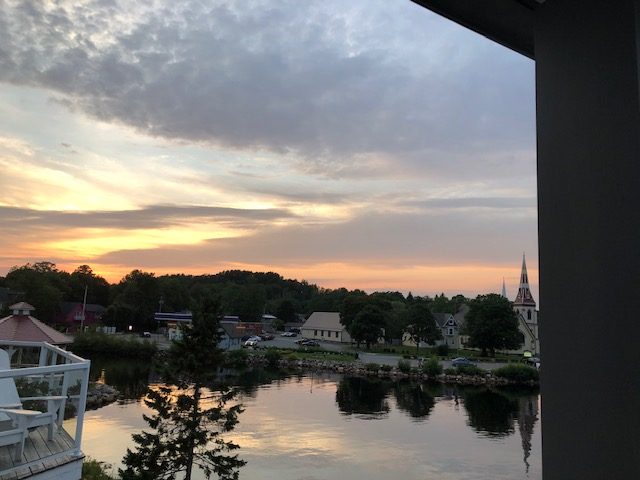
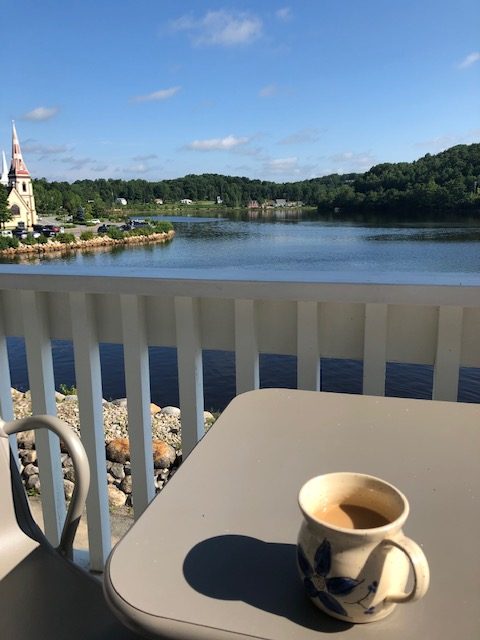
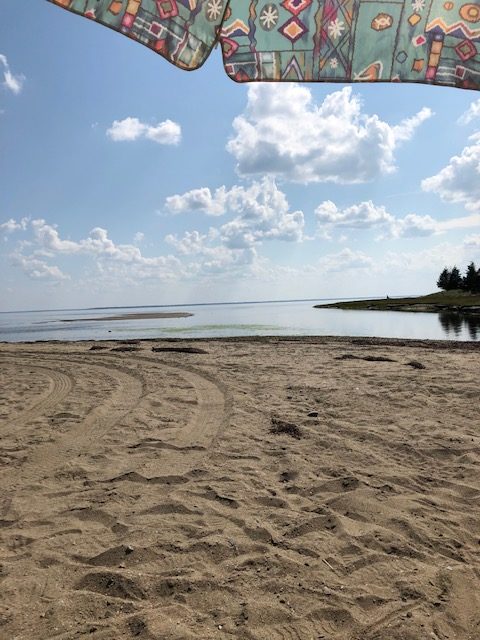
I did my first draft of this blog sitting in a lovely screened-in room in a gorgeous house in Stanhope, PEI. My first real vacation (i.e., no work laptop) since before the pandemic. The house was a 5-minute drive from one of the most gorgeous beaches I’ve ever seen. PEI is officially my new happy place.
Happy images of PEI
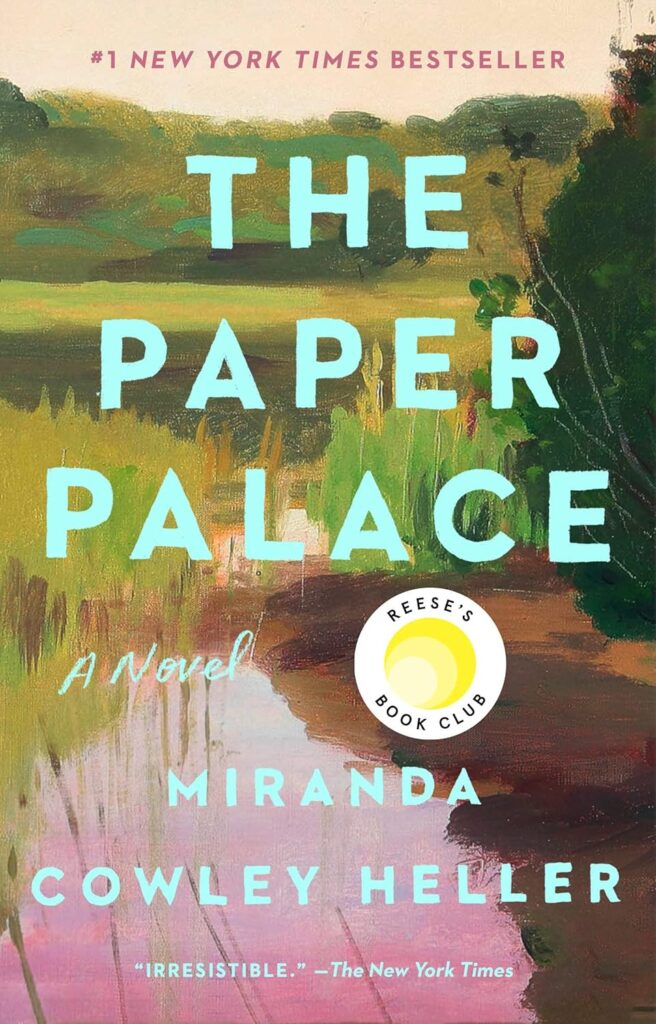
The Paper Palace
Immediately on finishing this book, I googled: What just happened? (The ending totally blindsided me.) And is there a sequel? (Sadly, no. I would read it, Miranda, if you wrote it.)
This novel is basically a love triangle. Elle’s mother Wallace inherited a dilapidated but much-loved Cape Cod summer camp, literally made of paper and cardboard glued together. Elle has loved Jonas since she was a teenager; they spent their summers together on Cape Cod. Something defining happens to Elle and Jonas their final summer together, and they become estranged. Elle later meets lovely Brit Peter in London, years later, and they eventually move back to her home of NYC and marry.
After Elle gives birth to her first child, she and Jonas reconcile, and Jonas and his wife become frequent summer guests at the Paper Palace with Elle, Peter, and their family. Including Elle’s very opinionated and quite hateful mother Wallace.
The novel opens with a very-married Elle having just consummated her passionate love with a very-married Jonas at the Paper Palace.
[As an aside, here is my mini-review of Broken Country by Clare Leslie Hall: Don’t. Be. A. Cheater. Or else shit goes down and you’ll be very very sorry.]
The Paper Palace goes on so many tangents about Elle’s life, and I’m not entirely sure they serve any purpose. They’re dramatic and all, but to what end?? Elle did not have a picture perfect childhood. Her mom Wallace is pretty much a laissez-faire mother (that’s a very kind description of a horrible mother) and a narcissist. She defines herself by her relationships with men who are not nice men. Elle is sexually abused by her stepbrother Conrad, but lets Wallace believe the abuser was her stepfather Leo, ending that marriage. Elle’s sister leaves the family, becomes estranged, ill and dies. Elle and her father visit her kindly stepmother’s very kindly parents, the visit marred by a creepy boy with a menacing snake.
Elle and Jonas are teenage friends from summer camp. Elle confides in the younger Jonas about Conrad’s abuse. They are platonic friends, and it never seems to be the right time for them, although there is clearly love between them.
Elle is married to the very good and decent writer Peter. She has a stable life, they are raising their kids in a far more parental manner than she was raised.
And then there’s this fork in the road. Elle consummates her long-lived emotional affair with Jonas at the Paper Palace while her family and Jonas’s wife are visiting. This is very out-of-character for Elle, who values her stable family. Who sees how flawed Wallace was as a mother. Who doesn’t want to be that flawed mother. Is Elle, at the end of the day, really more like her mother than she and the reader had thought?
I fully expected Elle to reaffirm her relationship with Peter. That’s how I thought it was going to end. Family before self. Love before lust.
Why did Elle promise Peter, after he caught Elle kissing Jonas’s hand in a non-sexual, almost maternal way, that Peter was the only man she loved? Why, just hours later, does she take off her ring and presumably choose Jonas? Ruining her family and Jonas’s marriage?
I guess if Elle had chosen to stay with Peter, the whole book would have been meaningless – but no, I actually like that ending better. She and Jonas have this passion and longstanding love, that was briefly a love affair, but she chooses the permanence of Peter, her family – she is the Anti-Wallace. Which I thought was the novel’s point – how we can make choices to not be self-interested, narcissistic, a bad mother and bad wife. How Elle doesn’t have to be like her callous and self-interested mother. How Elle doesn’t have to be like her father, who always chose his horrible wives over her.
Is this book really saying you can never escape your upbringing? That you are damned to repeat the sins of your parents?
I find Elle’s choice at the end out of character for her as a mother and daughter who actively wants to be nothing like her selfish parents.
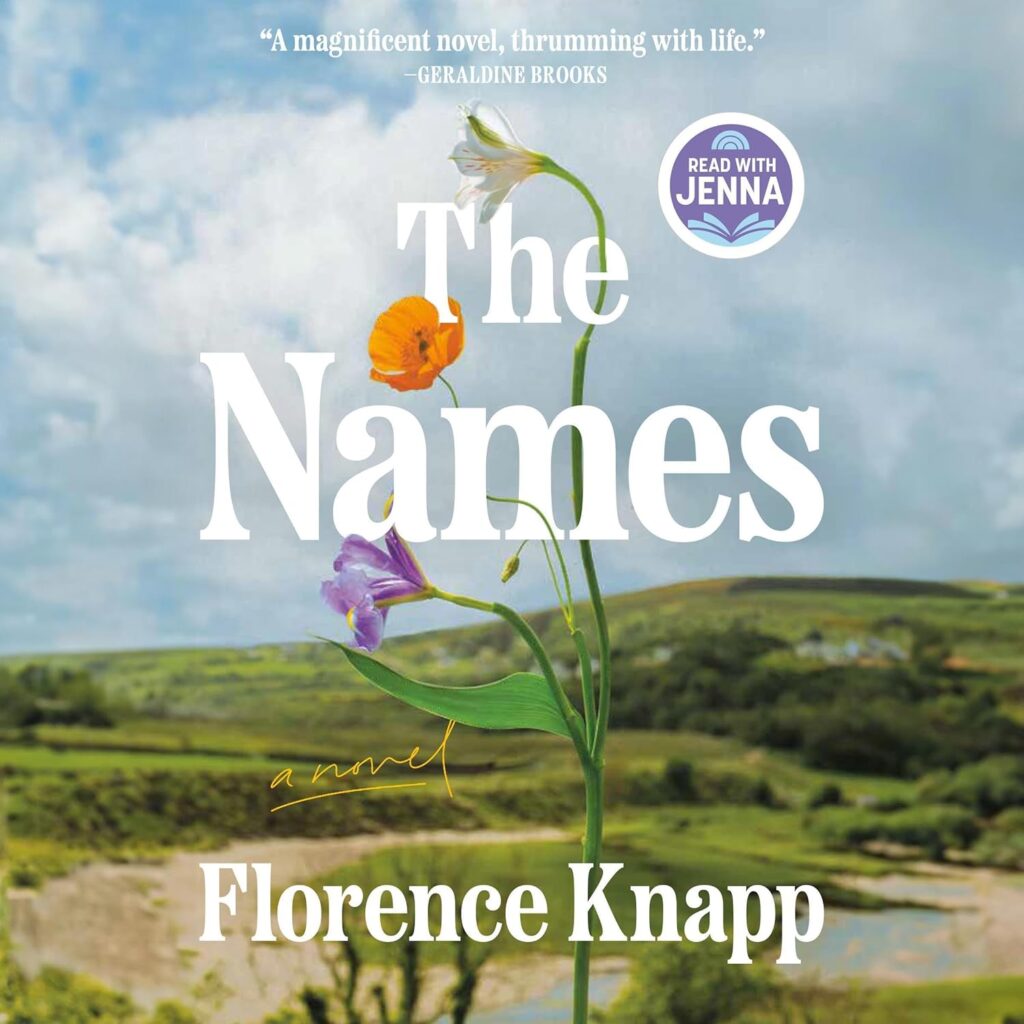
The Names
Which leads me to The Names, which is on its surface a novel about how a child’s fate is shaped by the name he is given at birth.
But that’s really not the point. In The Names, Cora is married to the pretty horrific Gordon. They already have a daughter Maya, and the novel begins with Cora giving birth to a son. Gordon demands (it’s not up for negotiation) that the son be named, of course, after him.
Three separate timelines (sliding doors) ensue. One, where Cora defies Gordon’s demand and names the son Bear, after Maya’s suggestion. Two, where Cora gives the son her preferred name of Julian. Three, where Cora complies and names the son Gordon.
Bear/Julian/Gordon have three very very different lives, and those lives have a very different impact on Cora, Gordon Sr., and Maya.
I think one of the themes of The Names is that (as I had erroneously suspected the theme of The Paper Palace was) you can indeed escape your upbringing. This is most evident in the Gordon name timeline. Gordon starts out being bullied, like his father, and turns into a selfish, vindictive, and easily manipulated child. No reader will be surprised that he becomes a Finance Bro. He has a car accident and near death experience that scare him straight – choosing a new (artistic) path, a new sobriety, and a newfound defence of his mother. Gordon Jr. ultimately saves his mother from his father’s abuse, blackmailing his father with video he’s taken throughout the house documenting his abuse. Gordon Jr. is testament to the fact that you can escape from the horror of your parents and their relationship and become a better person. Gordon saves himself and his mother.
The other timelines are tangents to me. Cora is nearly killed by Gordon Sr. in the Bear timeline – a neighbour intervenes and tries to save her, is killed, and Gordon goes to jail. Cora ends up being alone (well, alone with her friends) for most of her life, guilty over the man who tried to save her and was sacrificed. Maya becomes a homeopath, out and in love. Bear becomes an archeologist and nearly loses his love Lily in a terrorist attack in Paris. Bear dies young, of a wasp sting, leaving a child.
Elle is killed by Gordon Sr. in the Julian timeline, and Julian and Maya are raised by her mother and both turn out, eventually, happy if damaged. Maya is in the closet but ultimately comes out; she studies homeopathy. Julian is an artist and has two children.
Elle stays with Gordon in the Gordon Jr. timeline, ultimately leaves (via the veterinarian whom she ultimately loves in the Bear timeline), but to the reader’s absolute horror and disappointment returns after Gordon Sr. gaslights her and has her declared incapable.
Gordon’s abuse of Cora is horrific in this timeline – controlling and demeaning abuse – such as throwing out her radio, taking the TV remote to work, making her eat out of a bowl on the floor. Maya becomes a doctor and takes her father’s side, while hiding her sexuality from her family and colleagues. Gordon Sr.’s only redeeming moment is when he saves young Gordon from a wasp sting – which is what ultimately kills his son in the Bear timeline. So Cora’s decision to name her son Bear ends with her son’s premature death.
The book’s premise is that a name changes the trajectory of your life; but I think it’s what kind of mother you have that determines much of who you are. Bear is brave and loving because Cora was brave and loving. Julian’s grandmother saves him where she could not save her daughter. Cora’s compliance with Gordon in the Gordon storyline makes Gordon Jr. a horrible person, who only escapes from the Gordon Sr. fate through almost dying and getting new insight.
Florence Knapp is a beautiful writer. I loved this book, but like The Paper Palace, its ending did not resonate.
The novel’s epilogue is told from Gordon Sr.’s perspective, after he suffers the heart attack that will kill him. This is the first time his perspective assumes the narrative. I think he is the Gordon from every timeline – the one who kills, the one who went to jail, the one who was made to leave by Gordon Jr. As Gordon Sr. is dying, he regrets his abuse of Cora and thinks of all the ways it could have been avoided, how he might never have met her. He sees the error of his ways and dies with remorse.
There is absolutely no way that Gordon has a death bed revelation. Gordon is a manipulator, a narcissist, and a bully. He would have no regret on his death bed because he had no self-awareness, no empathy, no humanity. The epilogue was literally jarring as Gordon Sr.’s voice takes over.
The Paper Palace’s ending suggests you can’t escape your upbringing. The Names says you are the product of your upbringing – but ultimately children (Gordon Jr., Julian and Bear) break free of their father’s legacy and stop the cycle of abuse.
What a betrayal that Gordon Sr. gets the last word. How revolting that Knapp thinks the reader gives a fuck about his fate.
I read* 100 books in 2024, and exactly the same number in 2023. Yay for me. Some of them, quite frankly, are a blur. But some of them stand out as particularly moving and memorable.
*Reading includes audiobooks, obviously.
The muse hasn’t been with me these past couple of years, and this blog has sat pretty much dormant. I’d like to get back to it, if only for me to clear my head of the mess that’s in there.
So a blog about my favourite books read in 2024, in no particular order.
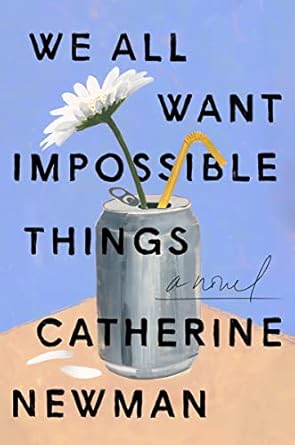
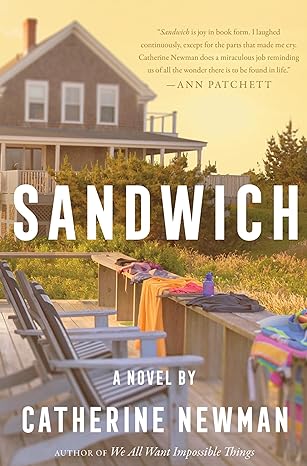
We All Want Impossible Things & Sandwich
Fabulous Catherine Newman has two spots on my 2024 list: her first adult novel, We All Want Impossible Things, and her follow-up Sandwich. I recommended We All Want Impossible Things to my book club, and they pretty much universally hated it (too much sex, depressing topic). But I adored it – a book about tending to your dying best friend while she’s in palliative care that makes you laugh out loud is pretty miraculous. It was a tight, sad, relatable and very funny book about grief and how it can impact you in surprising ways.
[By the way, I read about We All Want Impossible Things on a Substack called “What to Read If” – which I can’t recommend enough. Many many good suggestions of books I would never have come across on my own.]
Sandwich is Newman’s 2024 follow-up novel. If I hadn’t wanted to read more Catherine Newman, I would have read it anyways, with cover blurbs from a couple of my favourite authors: Ann Patchett and Kate Christensen. It’s a novel about women, aging, secrets, marriage, and reproductive rights. The women in this novel are given the agency and freedom to make tough choices about their bodies and their families, in a country that is currently robbing its citizens of those rights. It’s a story set in 2024 that may soon be seen as historical fiction.
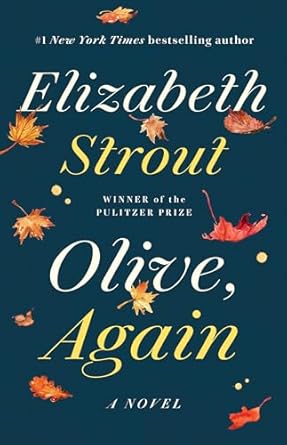
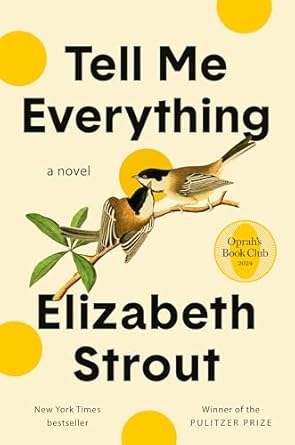
Olive, Again & Tell Me Everything
Elizabeth Strout can do no wrong, in my eyes – and like Catherine Newman, she gets two spots on my 2024 list of faves.
Olive Kitteridge was a masterpiece and, of course, won the 2009 Pulitzer Prize for distinguished fiction. I loved how Strout created a fierce, flawed, and pretty unloveable main character in Olive Kitteridge. I loved how she told Olive’s story through a series of short stories, told from different perspectives of residents in Olive’s Maine hometown, fleshing out a fully formed and unforgettable woman.
Olive, Again is the sequel to Olive Kitteridge, and it took me a long time to get to it. I got distracted by Strout’s many Lucy Barton novels that kept me company during the lonely and protracted pandemic (which I sincerely miss in many many ways). Lucy and I weathered the pandemic together with our aging and cranky partners. Olive is slightly more likeable in the sequel – she remarries (to an equally flawed character), proves a loyal friend in need, and tries (and horribly fails) to be a decent mother. Also told through short stories, an aging Olive becomes more herself and slightly less bristly.
Tell Me Everything is a gift to Strout’s readers: it brings together characters from her separate series: Olive Kitteridge, Lucy Barton, and Bob and Jim Burgess and their wives and ex-wives from The Burgess Boys. Lucy Barton is a renowned novelist who moves to Olive’s town during the pandemic, and she and Olive form an unlikely friendship, telling each other stories and anecdotes about the remarkable but undocumented lives of their friends, families, and acquaintances. Lucy quickly sees through Olive’s spiky defences and judges her for exactly what she is at her core: a scared and insecure bully. Lucy and Bob Burgess also form a very close, potentially romantic, and unique bond. They understand each other at a cellular level, always nodding and agreeing with their random sentiments. Until one day they don’t. Lucy asks Bob what he considers a stupid question, and their bond unravels – allowing them to recommit to their respective marriages. It’s a book I wish I could read for the first time, over and over again.
Tomorrow, and Tomorrow, and Tomorrow
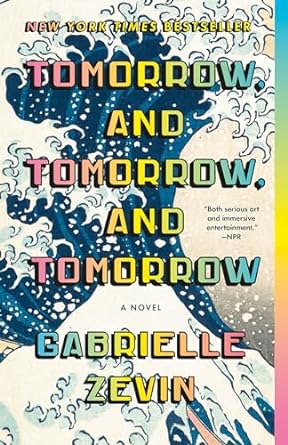
I adored Gabrielle Zevin’s Tomorrow, and Tomorrow, and Tomorrow. Like Eleanor Catton’s Birnham Wood from 2023 (another favourite of mine), Zevin’s book takes its title from Macbeth. It tells the tale of Sam and Sadie, two friends who met in hospital as children. Sam was in the hospital following a car accident that took his mother’s life; he retreated into himself and was basically nonverbal until visited by Sadie, who was at the hospital with her mother. Sadie brings Sam out of his trauma-induced shell by talking about their shared passion: videogames.
After a period of estrangement in their high school years, due to Sadie’s minor betrayal of Sam (she counted her hospital visits to recuperating Sam as community service, unbeknownst to Sam who thought they were truly friends), they meet again in college, resume their platonic friendship, and become very successful business partners as videogame creators.
The book is about friendship, male vs. female dynamics in relationships (social and professional), and love. And it’s ultimately about the necessity of creating and sharing art as a bridge between people. It’s beautiful and tragic and hopeful. A great novel.
Demon Copperhead
I have a love/hate relationship with Barbara Kingsolver. I love her early novels The Bean Trees and Pigs in Heaven, full of whimsy and magic realism. I adore her novel Prodigal Summer. But a couple of her books are on my sad list of novels I really wanted to read but absolutely could not finish: The Poisonwood Bible (I swear I’ve picked it up and tried to read it at least five times, and can’t get past page 100) and The Lacuna (my notes from when I tried to read it in 2010: “reads like a textbook, unlikeable narrator”).
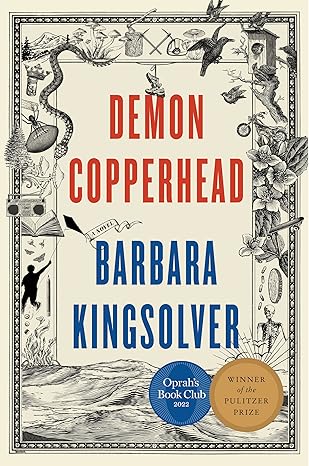
So I approached Demon Copperhead with a fair amount of ambivalence. I listened to the audiobook, and thank God for that. Charlie Thurston is the narrator of the 21-hour story, and within 10 minutes I was enthralled – he is magical. I don’t think I would have made it through this re-telling of David Copperfield if I had simply read the book – and the fact that NONE of my book club mates finished it (it was again my recommendation and they AGAIN universally hated it) reinforces that suspicion.
Let’s not sugarcoat it: Demon Copperhead is a very difficult read. Set in Appalachia, it has more than its fair share of poverty, neglect, and abuse. It explores in grim and raw detail how oxy and fentanyl have ravaged an already pathetic and hopeless society. But Demon Copperhead narrates his story with a keen, honest, sardonic, and surprisingly hilarious perspective. Charlie Thurston’s narration brings him alive, and even in the grimmest moments, gives Demon the grace and humanity to survive.
I never read Dickens original, so I had to do some reading up to understand the parallels between the Victorian story and this update. It rightly won the Pulitzer Prize for its publication year. I survived reading it; it’s a rollercoaster with more dips than highs. It ends on a lovely (if somewhat creepy) note. Demon, who has always wanted to visit the sea, is on his way there, with someone who loves him. He’s a work-in-progress, but he’s a survivor and a cautious optimist.
The Wedding People
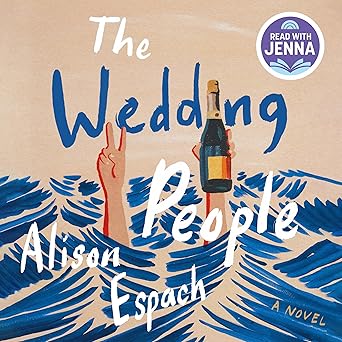
This is a novel about a woman whose marriage just dissolved, after she discovered her husband’s infidelity with her best friend. And her cat just died.
Phoebe checks into a posh boutique hotel in tony Newport, RI, to kill herself.
Hilarity ensues. Really. It’s optimistic and romantic. Absolutely fantastic.
You will fall in love with Phoebe.
Other notables
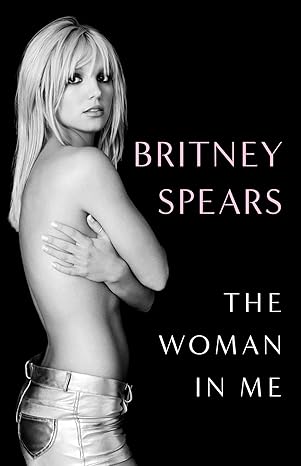
First, Michelle Williams did an amazing job as narrator. I’m glad Britney didn’t narrate, because quite frankly her voice annoys me.
But her family is a total nightmare, and I sincerely think Britney is a marvel and a survivor. Respect.
And Justin Timberlake is a douchebag.
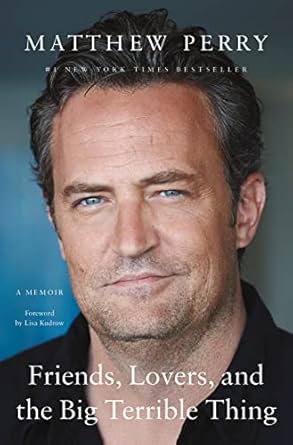
I read this book after Matthew Perry passed away, and I’m thankful for it. To have read his book, with its cautiously optimistic ending where it appears he’s found a path to overcome his addictions … and then to hear that he died from them. That would have been brutal.
One of my favourite rom-com movies is Fools Rush In, with Matthew and Selma Hayek. And I was delighted to hear it was one of his favourite works. Although tragically also the movie that caused his initial injury and addiction to oxy.
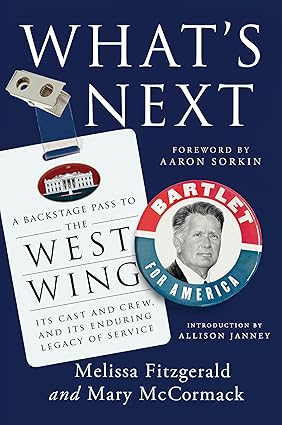
My pal Candace & I both love The West Wing. This “Backstage Pass” is wonderful in so many ways. It chronicles the development of The West Wing, the casting choices, the casting changes (Rob Lowe/Joshua Malina etc.), the best episodes, the high jinks and pranks, the love of public service …
And it tells the stories of the charities and public service loved by the cast members. These people walk the walk and talk the talk. Sometimes at the same time, in typical West Wing fashion.
Highly recommended.
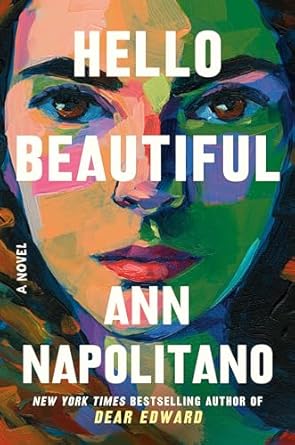
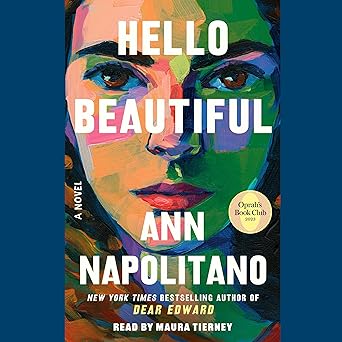
I already did a little book review on Hello Beautiful about why I loved it. It moved me. Stayed with me.
Did not love Maura Tierney as the audiobook narrator, though. Not at all.
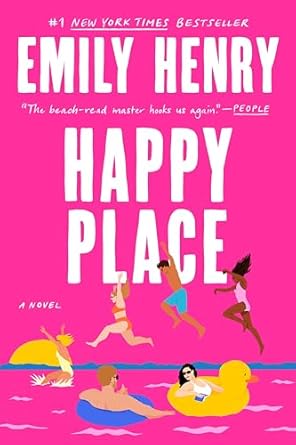
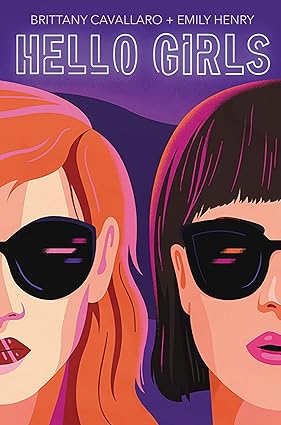
Again, listened to the audiobook. Emily Henry + Julia Whelan = absolute perfection.
It’s pretty frank about the toll mental illness can take on a relationship.
One of my least favourite romance tropes is “second change” – but Emily Henry makes it work. It’s romantic and hopeful.
Billed as Thelma and Louise for teenagers. It works.
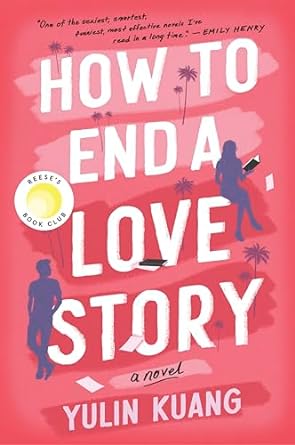
Extremely tough plot to pull off. FMC blames MMC for her sister’s death.
They meet in Hollywood years later, writing a TV show together. The inside look at Hollywood is fascinating. I also loved this theme in Curtis Sittenfeld’s Romantic Comedy.
How To End A Love Story is tragic and tough and beautifully written. It totally works. Beautiful ending.
Recipe for a Good Life
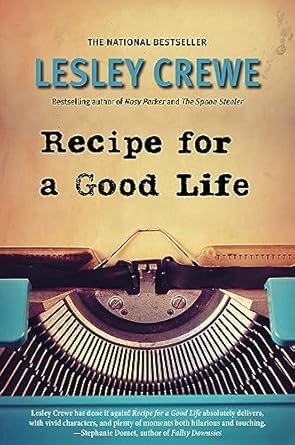
My first, but definitely not my last, Lesley Crewe.
This novel, set in Montreal and Cape Breton – one of my happy places – is like a warm hug, a mug of hot chocolate, and a cozy blanket all wrapped together.
Quirky characters who are real and flawed – they aren’t caricatures.
A plot about writer’s block and the writing process.
Falling in love – with a place, with a family, with a lover. Very romantic.
Here’s the thing. I love a nice pair of boots. Fall, winter, spring – it’s boots boots boots. I resent summer because I can’t wear boots. (Actually, I think you can get away with a little ankle boot during cooler summer days, right?)
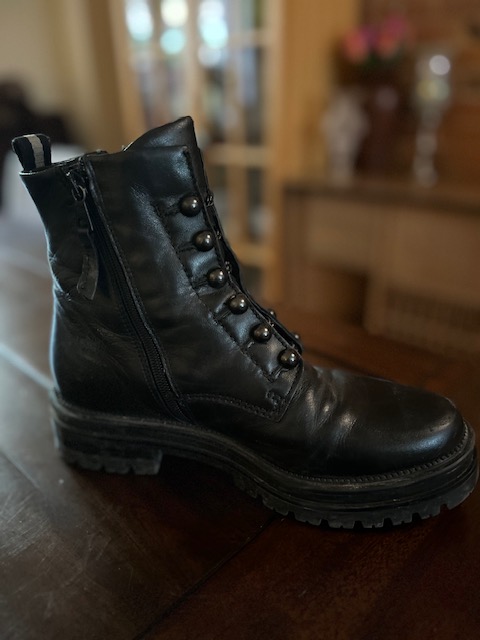
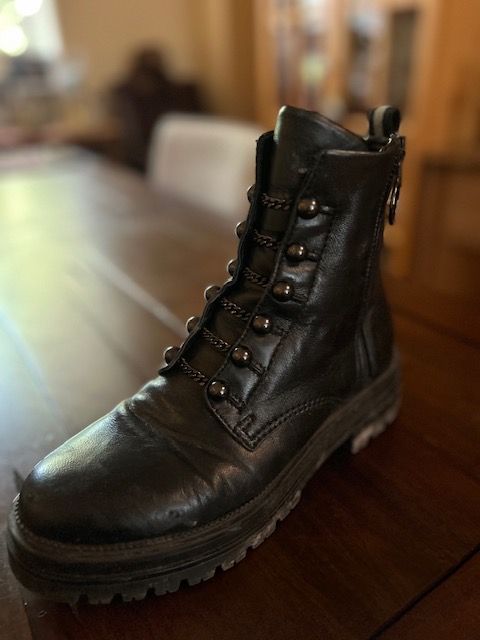
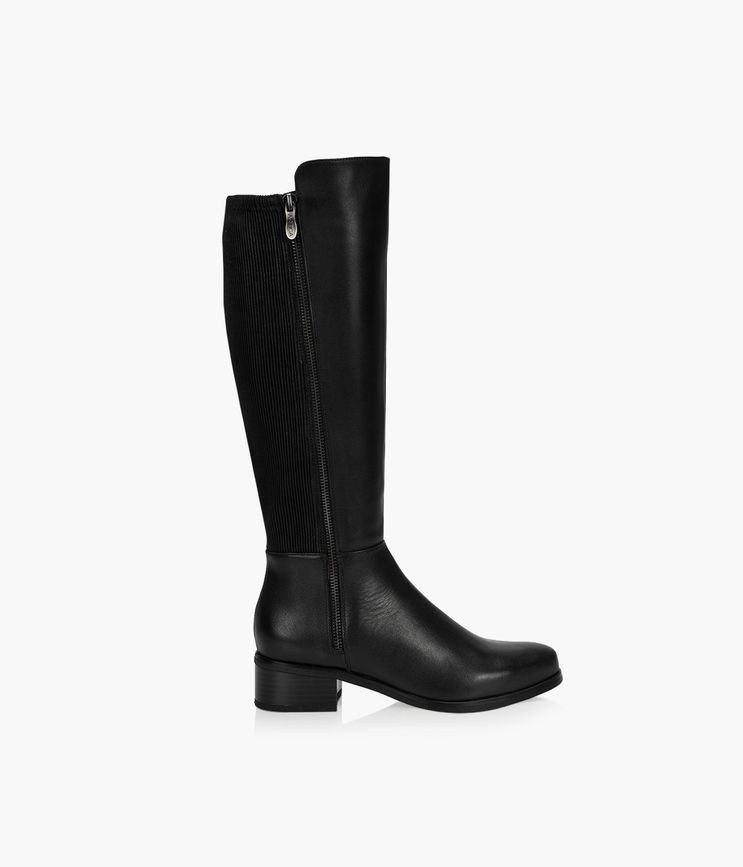
I have worn the crap out of my favourite pair of Browns boots. My friend Brenda had them in black, and I was obsessed. I tried not be an entire copycat and got them in brown. And, then 3 weeks later, I got them in black too – because they are perfect! They are just like Doc Martens, but with a zipper. A zipper! The brown boots got thrown in the garbage this spring after 3 good long years of service … maybe 4. They were scratched to shit and unsalvageable. The black ones have been worn far less:
It’s a matter of taste, sure, but to me these are the perfect every day boots. Solid, good heel, stylish. Dr. Sid, my chiropractor, commented on them. They’re cool and comfy.
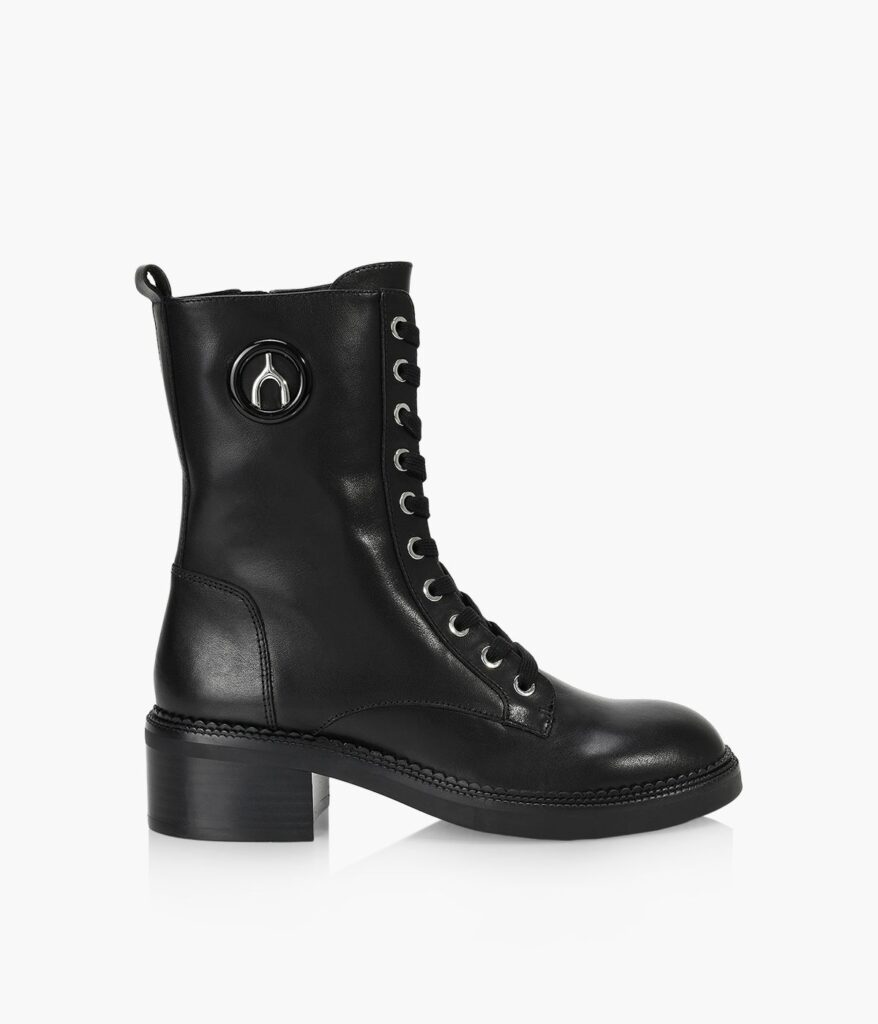
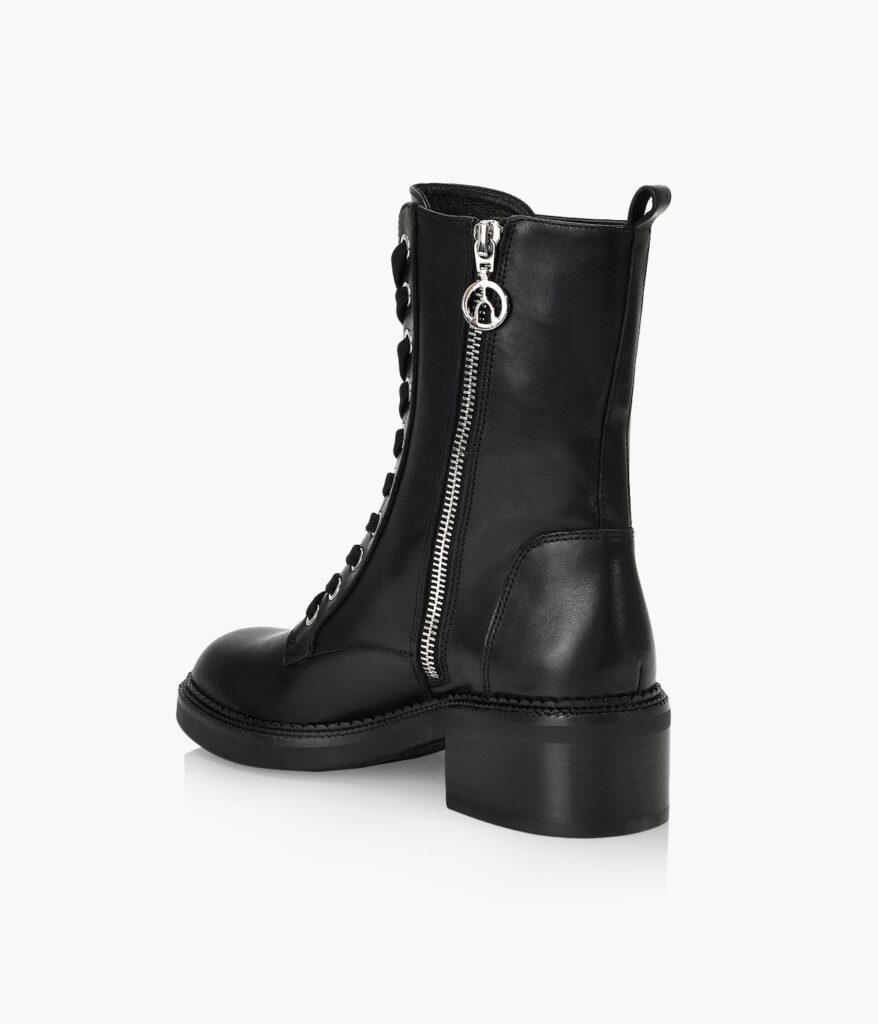
Got an email from Browns today notifying me about a huge sale. OK, I’m game. I still hold out hope for my ideal sorta Doc-Martens-with-a-zipper. Nope. These (called Camilla) are pretty close (there IS a zipper), and they are on sale for $230:
Sadly they don’t come in brown. And the heel may be a smidge too high for me – the pandemic killed many things for me: daily showers, hard pants, and wearing almost any kind of a heel .
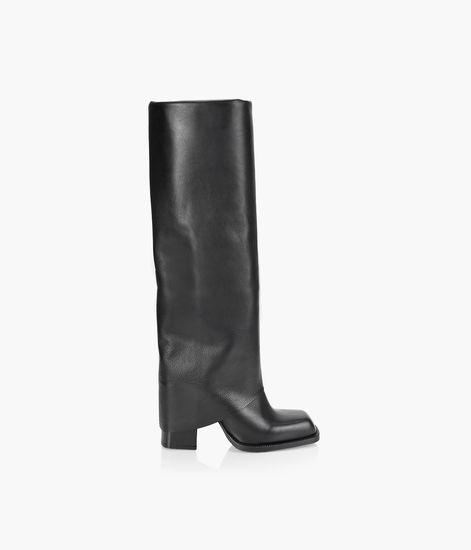
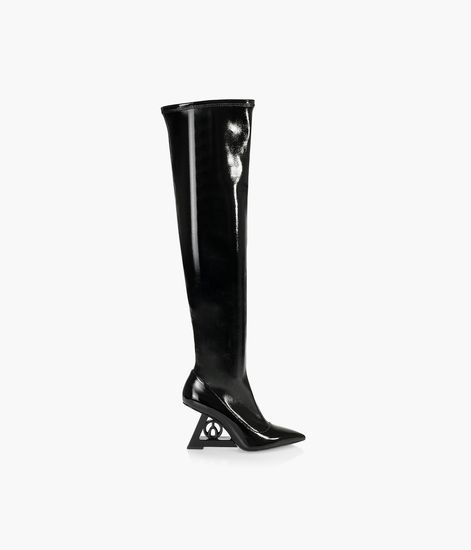
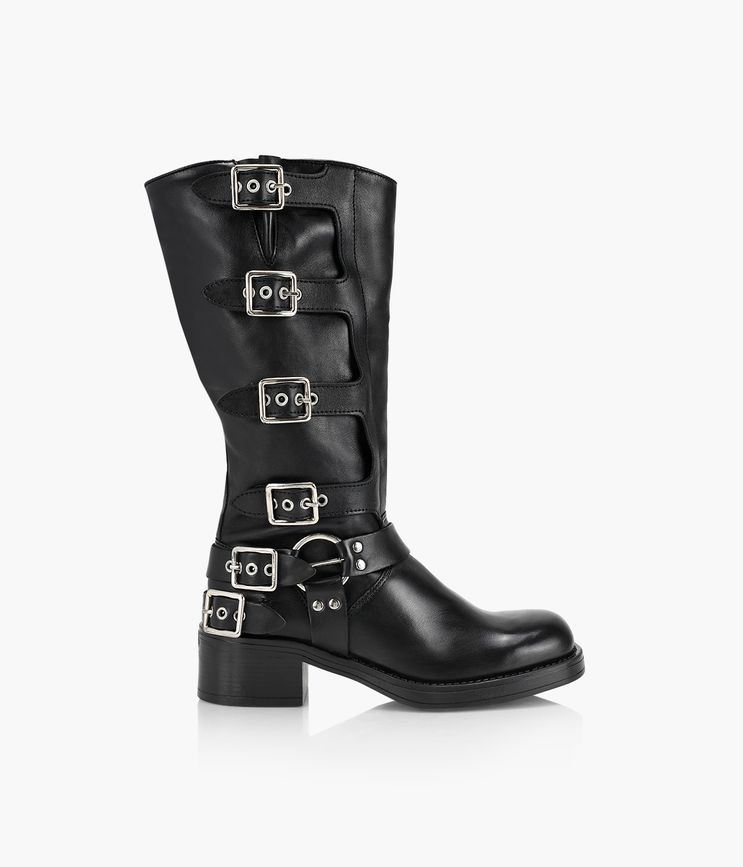
Camilla is the rarity on the Browns sale website – meaning a boot I could actually imagine buying. Instead, the majority of boots are absolutely hideous. Browns has apparently made a conscious decision to forego cute boots, and instead sell some of the ugliest boots anyone has ever imagined. Case in point:
I just do NOT get these boots. Why do you want a jeans pant leg over your denim boots? Like, obviously you can’t wear them with jeans. You can only wear them with a dress/skirt. And the reason you wear a dress/skirt is NOT to wear pants, right?
The website shows a model wearing them:
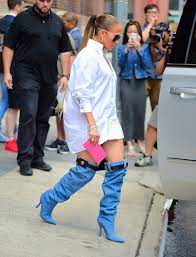
Even she looks skeptical, right? I googled, and I can’t find a picture of anyone actually wearing these boots in real life. The closest I could find was JLo and these so-called Versace ‘pantaboots’:
If JLo can’t pull them off – and I submit this looks ridiculous – then no ordinary mortal can. Anyways, they are on sale from $400 to $250, if you want to be the first to buy them.
They come in different materials, too:
Every time I go into Browns these days, all I see are huge ugly sneaker/boots like this, with an unsightly thick wedge heel:
These ones are relatively restrained. Most of them have spikes and sequins and crystals, all bedazzled like David Rose got his hands on them in Grade 8.
I clearly like a combat boot – but why do we need these “maximalist” combat boots with chains, studded belts and a “patterned bandana”:
They’d be okay if the designer just picked one.
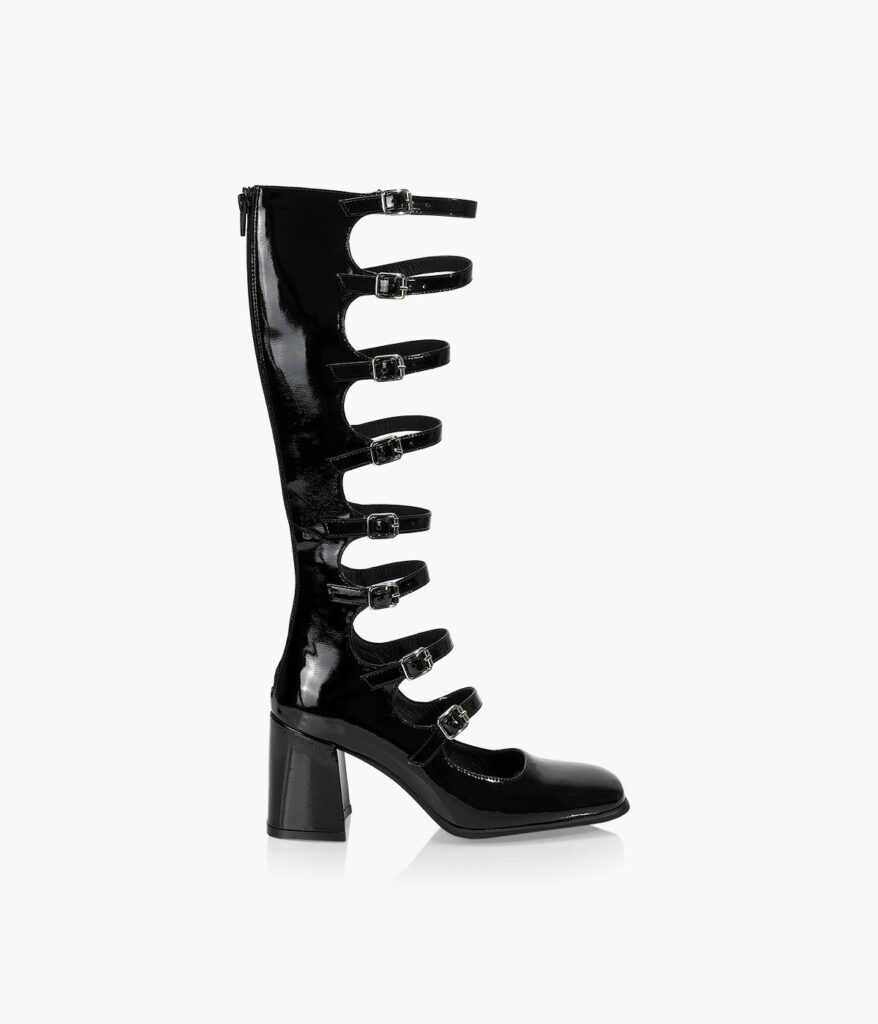
Then there’s a trend I call dominatrix boots, like this abomination that the website describes as “fashion forward and zany”:
Yeah, those look profoundly silly and … uncomfortable.
I give credit to Browns that they didn’t even include a “zany” or any other kind of description for these boots (they were literally speechless):
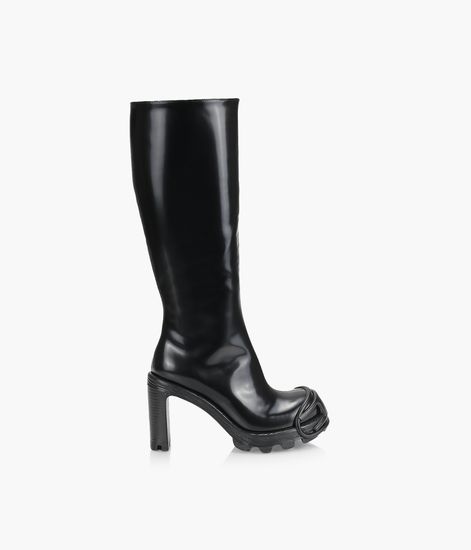
This boot is called an “industrial powerhouse” and – in case you were interested – is NOT on sale. So $950 full price:
I recently went to a client meeting where an academic gave a paper on the topic of vicarious trauma. It was insightful. It was, however, hard to take her seriously wearing mega boots like these:
These have a “deep arch” and “appropriately high heel”. Hmmm. Maybe the speaker needed them to see over the podium.
I would say 75% of the boots are pretty hideous/unwearable. Browns, WTF?
I’m starting to question my sanity, because a few of them are appealing to me:
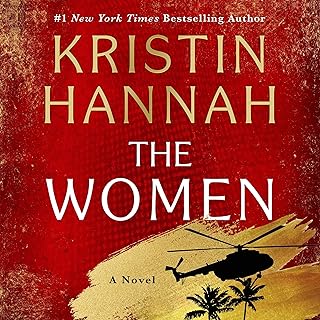
This was my first – and most likely last – Kristin Hannah novel. Recommended by my pal Brenda. I chewed her out part way through listening to the audiobook, saying “if XX happens, like I think it’s going to happen, I am going to be VERY angry at you for recommending this manipulative piece of crap.”
Her response: No spoilers, but Hannah is not known for her happy endings.
(We’re in the middle of the beginning of the end of days here. Trump revered as a hero and martyr? Biden taken down by his own party? Let’s grant ourselves a little happy ending right now.)
What I liked:
Frankie’s time “in country” – the comraderie of the nurses and doctors, the diving into the deep end and becoming a great war nurse, the headiness and passion of the out-of-ordinary experiences that led to her relationship with Jamie (?) and then Ry
The horror of war
The brutality of coming home to a family and a country who were entirely dismissive of her contributions and her suffering
Frankie’s dad telling everyone that Frankie spent time studying in Europe – holy shit – and covered up her tours in Vietnam
Ditto the assholery of the VA: There were no women in Nam – this rang true and was a gut punch powerfully delivered by the author
The true bonds of friendship between the nurses (Frankie, Ethel and Barb) – in country and back at home – where they literally dropped everything more than once to come to Frankie’s aid
Barb even moved with Frankie when she was relocated to a much more dangerous mobile hospital
What I really didn’t like:
The pageantry and huge party with which Frankie’s brother Finley was sent off to Vietnam – is that historically true? Was any family ever that pleased to send a son off to war?
The pretty slight reason that prompted Frankie to sign up to go to Vietnam (Rye’s comment, looking at her dad’s “hero wall”, that women can be heroes too) – when nothing in her life to date had in any way led to her joining the military
The Peyton Place drama that accompanied Frankie’s return to America – the return to America, given the hostility of her family and country – plus her PTSD should have been enough to guarantee a hard landing – which I think is what the author wanted to highlight – no one was thankful to these women who risked their lives and their mental health, and for what
I was OK with Rye’s being shot down and presumed dead – I mean, that was written on the wall as soon as Frankie left for home and Rye stayed behind
But as soon as there was word of the war ending and POWs being sent home, I had a moment of dread – tell me that the author is NOT going to have Rye be alive, and come home so broken and damaged that he drags Frankie further down with him
Yup
And he comes home on the EVE OF FRANKIE GETTING MARRIED to a really nice decent guy who is also the father of her unborn child
AND … he’s MARRIED (again, no predicate behaviour to suggest he was a cheating filthy psychopathic liar – he seemed like an upstanding guy when he knew her brother and “in country”)
AND of course Frankie ends up losing the baby, because of course she does
AND of course Frankie makes many many many bad decisions after that
I get she had to hit rock bottom, but dear God, it was just too much and too manipulative (too soap opera)
I’m not going to spoil the ending for others, but that ending was a bit too much, especially given the whole Rye drama (dead? alive? married?)
Sorry to Maura Tierney, but I hated her as a narrator. She just seemed monotone and without emotion. And it was an emotional book. I am almost tempted to read the book now, because I think I might like it more without her affectless voice in my ear.
Julia telling Alice at age 5 that her father was dead. That’s a psychopath move.
Rose cutting her children (and grandchild) off at the knees.
Julia cutting her sisters off at the knees.
Julia, just generally – emotionless, without empathy, for her husband, her daughter and her sisters.
Sylvie not telling William that Julia showed up.
The parallels to Little Women – sisters vying to be Jo or Beth. I don’t know, it didn’t work for me and seemed heavy-handed. Perhaps it’s inevitable with a book about 4 sisters. No one ever competes to be Meg. Just saying.
All the fucking similes – they were over the top and didn’t pop organically from the characters’ inner thoughts.
Questions:
Was Julia the villain of the book?
Do we all turn into our mothers?
Was this really William’s book more than the 4 sisters?
Should I read the book and see if it’s a different experience altogether, without the annoying narrator?
My best reads of 2022. In no particular order. These are not necessarily books published in 2022. Just books I read and loved this year.
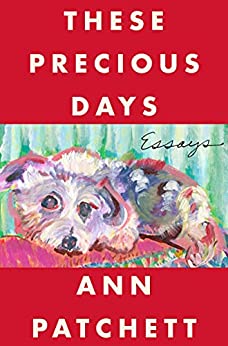
These Precious Days
I enjoy Ann Patchett’s essays and non-fiction more than her novels. Her previous book of essays, This is the Story of a Happy Marriage, was another favourite several years ago, and contains a great essay on how, at her policeman father’s urging, she tried out at the LA Police Academy.
These Precious Days was a book club pick for April – and I didn’t finish it until Fall 2022. Not because it’s a laborious read. The opposite. Almost every essay was a perfect treasure, and I doled them out to myself like prizes, slowly and sparingly.
Her essay called “Three Fathers” was in the New Yorker; I read it there, and then re-read it in her collection. It’s a brilliant study of how each of her fathers – her biological father and her two step-fathers – contributed in their own way to her success as a writer. One, her real dad, by being entirely skeptical of making a living as a writer – giving Ann the perfect incentive to say fuck you and succeed. Her first step-father was her greatest fan, which she takes with a grain of salt, because he fancied himself a writer also, and every piece of his writing he ever sent her to review was God-awful. And finally, her second step-father, who was indifferent to her writing and just loved Ann for Ann.
Two of her essays focused on Patchett’s growing indifference to “things”. One of her friends inspired “My Year of No Shopping” – a challenge to buy only consumables (food, drink) and nothing else for one whole year. No clothes, no books, no purses. Ann gives it a shot – and she’s quite successful at it. Enjoy what you have. Read the books you have. Wear the sweater from the back of the closet. Buying things doesn’t fill you up or make you happy.
In “How to Practice”, she describes the tedious archeological chore of helping her best friend, Tavia, clean out her hoarder-father’s house after his death. Vowing to not leave a mess for her estate to clean up, she starts de-cluttering her own house, giving things away, throwing things away, repurposing. She and her husband Karl were neat and tidy, but still, they just had Too. Much. Stuff.
I have been recommending These Precious Days to all and sundry. If you, like me, are trying not to acquire so much stuff, then feel free to borrow it from the library. The Libby app has multiple e-book and audiobook copies available.
Also, if you haven’t read Patchett’s non-fiction book Truth & Beauty, about her friendship with author Lucy Grealy (author of Autobiography of a Face), well, please do.
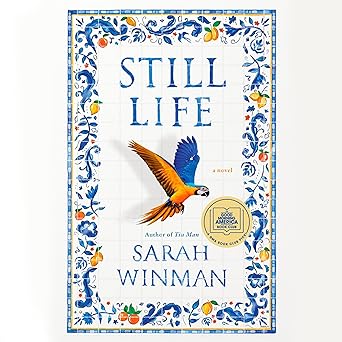
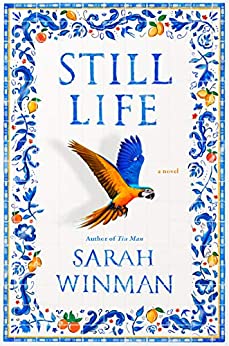
Still Life
What a joyful masterpiece this was to listen to. I borrowed the audiobook from Libby. And then even before I finished it, I went to my local Book City and bought the paperback. Because it’s the kind of book you need to have in your hands, and flip through, and underline passages and dogear pages. This novel reminded me a lot of one of my favourites from last year, A Gentleman in Moscow, with its similar themes of kindness, gentility, finding family, and seeking out beauty in the everyday around us.
Sarah Winman’s writing is beyond lovely. She creates memorable real characters. There’s a fair bit of magical realism, including Claude the Parrot who seems to have a preternatural understanding of humanity’s flaws and who may also be the reincarnation of Shakespeare. I wasn’t entirely taken with the last chapter of the novel, but that’s my only quibble.
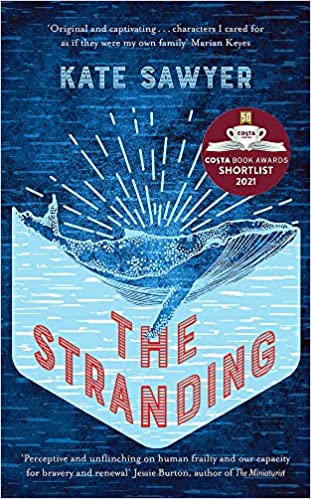
The Stranding
This novel was a recommendation from my friend Candace, and I borrowed it from her. But of course now I want my own, because it was such a good read.
I just went to Amazon (to get the .jpg of the book’s cover) and made the colossal mistake of accidentally seeing a reader’s random comment about The Stranding:
This book was fairly pleasant but somewhat forgettable.
An idiot
I can only assume the reader read an entirely different novel than I did.
The Stranding was not at all pleasant – it’s set partly in a post-apocalpytic, post-nuclear world and partly in the days leading up to it. Our female main character ends up saving herself from the apocalypse, with a stranger, by climbing into the rotting carcass of a whale. Ruth’s salvation – as the world ends – comes after she somewhat impulsively re-locates from London to New Zealand, desperate to escape the environs of her loathsome married lover. She and the stranger band together to survive. They may be pretty much the only people in the world. They encounter a stranger or two, hear stories – but of course they aren’t getting updates on their Twitter feed, because the world has basically ended. All technology has ended. It’s back to the land and the sea, and raiding the local department stores until their inventory depletes.
Pleasant? I wouldn’t have said so.
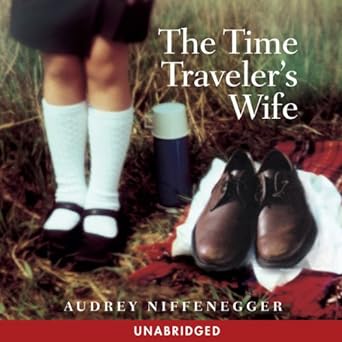
Forgettable? Haunting, I would have said. I can’t tell you how many times I have thought of this book since I read it; the characters are real to me. (This reminds me of The Time-Traveler’s Wife, where the characters stayed with me for months and months after I read it. Like friends I kept expecting to hear news about.)
One of the blurbs on the back cover of The Stranding noted how hopeful the novel is. Again, I wouldn’t have said so. But it’s thought-provoking, inventive, stressful, oddly romantic, and harrowing.
It’s also so embedded in my mind that I asked the author Kate Sawyer on Instagram to please write a sequel. Ruth and Nik, as strangers will when they are possibly the only two people left on Earth, end up with two daughters. What happens to those daughters … well, I kinda need to know, Kate.
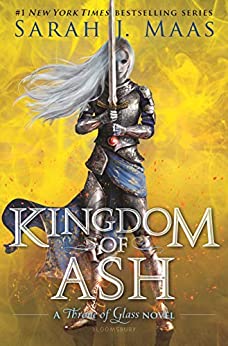
Kingdom of Ash
I started reading Sarah J. Maas and her YA fantasy/romance books at the recommendation of my next door neighbour, who shares my sensibility for pop culture. I inhaledthe first four books of A Court of Thorns and Roses in a few short months, one after the other, obsessively. Then I started in on Sarah J. Maas’ first YA fantasy series, Throne of Glass, which she started writing when she was 16, I believe.
TOG (as we in the YA world call it) is the first of SEVEN novels in the series, plus there’s a prequel. TOG and the second book, Crown of Midnight, I also consumed quickly and ferociously.
Then, according to the list of Books I’ve Read that I’ve kept religiously since 2004, I instructed myself to read something other than YA fantasy before downing the next 5 novels (list says “OKAY KOB read some adult books before more TOG”). Which, surprisingly I did, reading Ayesha at Last by Uzma Jalaladdin and then The Wife by Meg Wolitzer. But then I jumped right back into Book 3 of TOG, Heir of Fire. My first book of 2019 was Book 4, Queen of Shadows. And then the streak ended and I was Maas-ed out. No Maas. This burn-out, or oversatiation, also hit when I read Harry Potter years ago. Once I finished Goblet of Fire, I could not handle any more Harry, and it took several years to pick up Order of the Phoenix and proceed to devour the end of the series.
In 2021, I picked TOG back up and read Empire of Storms, which was very very stressful. It ends with our heroine in a horrible bind, having been captured by her arch-nemesis and imprisoned – in a lead coffin with a lead face-mask. So normally, I’d pick up Book 6 and find out what the hell happens after that cliffhanger. Except, in what I can only consider to be a Sarah J. Maas mental breakdown, Book #6 goes on a whole fucking 668-page tangent to follow two minor characters (including Chaol, who everyone kinda hates) on a quest to find allies in other worlds to take our heroine’s side in the war. Tower of Dawn defeated me. I started it, realized I didn’t give a fuck about its characters, and put it down. This Tweet could have been me:
Shout out to the dude in this airport lounge who opened a book, read five or six pages, sighed, closed the book, stood up, walked a few steps, and dropped it right into the trash can.
In 2022, I vowed I had to finish TOG. I had it on good authority from Candace that Kingdom of Ash was an amazing ending to the series – I had to know what happens.
So, I cheated. Yup, I admit it. Instead of reading Tower of Dawn, I read the Wikipedia page to find out what transpired. (I had also done this, head hanging in shame, with the last Twilight book, which I could only stomach until the baby was born, and then regained my senses and put that shit down.)
Dispensing with the horrible Chaol and that whole stupid diversion, I picked up Kingdom of Ash and prayed that Aelin would get free from horrible Queen Maeve as quickly as possible, because to see her chained, imprisoned in a coffin, and tortured repeatedly wasn’t super fun. And once she got free (yeah, like that’s a spoiler), all by herself, not relying on any dude to rescue her, the rest of the novel (all 989 pages) just flew by.
And, again, I would like to beg the author for a sequel. Because after about 5,000 pages, it was kinda nice to see Aelin and Rowan happy, not: imprisoned; at war; tortured; separated; betrayed; or in imminent danger.
They were together, safe, and optimistically rebuilding Aelin’s war-marked Terrasen. It would be a nice little gift, just saying Sarah J. Maas, to throw your fans a happy “normal times” novella like you did for ACOTAR with A Court of Frost and Starlight.
Please.
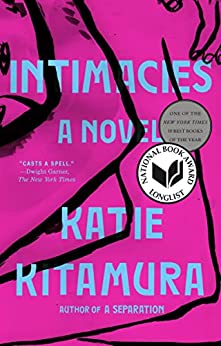
Intimacies
This was a recommendation of a friend of a friend, and I bought the hard cover at my local Book City on Easter weekend because it was Independent Booksellers’ Day. And the book clerk assured me it was a great and quick read. And indeed it was. (And, by the way, that’s why I love Book City – pretty much half the time I buy a book there, one of the clerks has read it and praises my choice. How many of Amazon’s books do you think Jeff Bezos has read?)
A novel about a never-named female translator who works at the International Court of Justice in The Hague, Intimacies is a study in juxtapositions. (Okay, yes, I was an English Lit major in undergrad, and yes, every essay was something like “A study in grey: The juxtaposition of light and dark in Keat’s Ode on a Grecian Urn”, or some such nonsense.) But the competing themes are apt in this novel – juxtapositions between things that bring people together (the rather intimate art and science of translating and interpreting someone else’s words and ideas, creating a bridge between languages) and the distances that can never be overcome between people (miscommunications, estrangements).
I thought it was brilliant. And I read it in an afternoon.
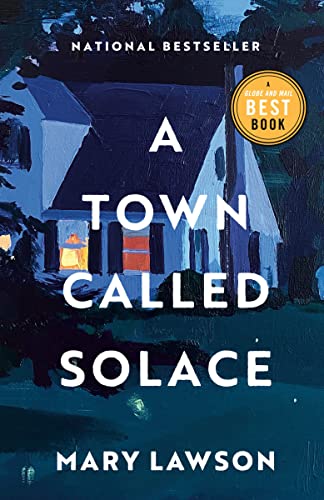
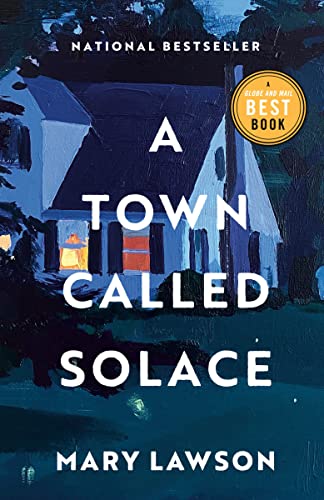
A Town Called Solace
Another book club pick. I have loved some of Mary Lawson’s previous novels, including Crow Lake and The Other Side of the Bridge. She’s Canadian and her novels are set in Northern Ontario, where I spent a couple impressionistic years in my youth.
I listened to A Town Called Solace on Libby and absolutely loved it. There are three narrators, as the events are told from three different viewpoints: Clara, a young girl and neighbour to the recently deceased Mrs. Orchard in Solace, Northern Ontario; Mrs. Orchard herself, an absolutely lovely elderly lady who we learn over the course of the novel committed a heinous crime in her past; and Liam, a newly divorced man with an undefined relationship to Mrs. Orchard who unexpectedly inherits her house in Solace.
It’s a lovely read – it was long-listed for The Booker in 2021, justifiably so. Once I finished it, I missed Clara, Mrs. Orchard, and Liam. I still miss them.
Clara is a favourite character from this year. Precocious, skeptical, and superstitious, she is deeply-traumatized by the disappearance of her 16-year-old sister Rose, which is a mystery that hovers over the day-to-day events of the novel. Again – I’d love to read a novel dedicated to Clara as an adult. She’d be fascinating and scary.
Truly, I will read anything by Mary Lawson. She’s a gem.
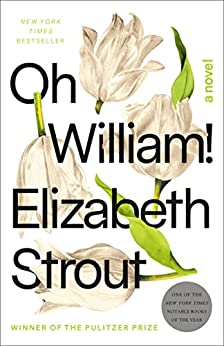
Oh William!
Ditto, I will read anything written by Elizabeth Strout, who won the Pulitzer in 2008 for Olive Kitteridge. I thought Olive Kitteridge was a masterpiece when I read it. And I declared so to my book club. My book club presentation focussed on why Olive Kitteridge is really a novel, instead of a set of inter-related short stories, and I felt quite passionate on the subject at the time.
As much as I loved Olive Kitteridge, it’s Strout’s Lucy Barton series that I love even more. I remember reading My Name is Lucy Barton in Antigua, by the pool in the hot sunshine, shortly after it was published in early 2016. I was reading it on my Kindle and inserting note after note because I was going to be presenting it to book club. I read it after Paul Kalanithi’s When Breath Becomes Air and right before Sheri Fink’s Five Days at Memorial. What a great vacation that was.
My Name is Lucy Barton introduced us to Lucy Barton, a writer from an extremely impoverished and dysfunctional Midwest family. Lucy is living in New York City, in a dysfunctional marriage with William, whom she met at college (her intelligence being her ticket out of her family squalor). In My Name is Lucy Barton, Lucy ends up in hospital with a never-diagnosed ailment. And out of nowhere, her estranged mother comes to visit her. The novel is a fascinating study in the truly broken dynamics of mother and daughter. It’s about trying desperately to escape from family but never being able to escape your history.
Lucy Barton resurfaces in Strout’s Anything is Possible, which I confess I found to be a bit of a slog. It’s a series of short stories that are based in Lucy’s hometown, with an awful lot of horribly damaged characters.
Oh, William! is a chronological sequel to My Name is Lucy Barton. It was a fun fun listen on Libby, and it was a joy to meet up with much older versions of Lucy and William, now long-divorced. William is remarried and Lucy newly widowed.
William is not, and was never, an attractive or pleasant character. Lucy latched on to him in My Name is Lucy Barton because she sees him – a young professor – as her knight in shining armour, rescuing her from the fate of returning to her family and hometown. But William is just as much of a smothering, critical, abusive force as her mother. Lucy, suffering from some kind of Stockholm Syndrome, can never seem to break free of William, even after years of divorce.
Which leads us to Oh, William! – and the unexpected turn of events that transforms the novel into a road trip adventure when William drags Lucy along to meet, for the first time, his biological sister. Lucy can’t seem to do without William, even though William is as bullying and insensitive as always. I guess we are always our own worst enemies when it comes to many relationships.
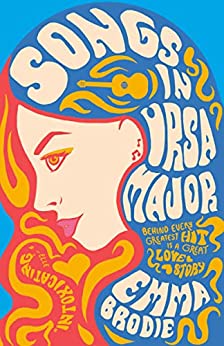
Songs in Ursa Major
Songs in Ursa Major wasn’t a book club pick or a recommendation from a friend. It somehow fell into my lap, and I thoroughly enjoyed it.
I think it’s supposed to be a veiled dramatization of Joni Mitchell’s love affair with James Taylor in the late 60s, early in her career. I listened to it months ago, and it reminded me a lot of Taylor Jenkins Reid’s Daisy Jones and The Six. A strong sense of time (late 60s, early 70s), a female protagonist trying to make it in a very male-centric music industry, a doomed love story.
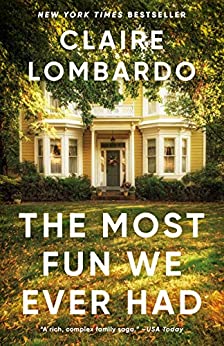
The Most Fun We Ever Had
This novel reminded me a lot of the elements I used to love about John Irving – a great big (20 hours plus as an audiobook) multi-generational story. Reminded me in many ways of Garp (which I will always say is my favourite book ever, read when I was in high school) – a great big love story between two likeable characters who are both horribly flawed. They raise four girls, and it’s not glamorous. But you root for them to stick it out as their four girls grow up and inevitably fuck up their own lives.
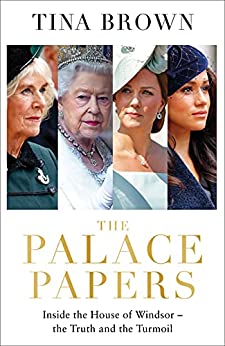
The Palace Papers
I was highly ambivalent about this read/listen, but after both Marie and Holly in book club strongly recommended it, I put it on hold on Libby. It’s a good 17+ hours as a listen, and every time it became available, it was a “Skip the Line” copy, which gives you only 7 days before it has to be returned. 17+ hours over 7 days is quite the commitment, and eventually I just gave up and bought it on Audible.
I’d say it’s a highly enjoyable and well-researched book that I’m still seriously ambivalent about.
Tina Brown, the author, narrates the audiobook in her highly snobby British voice. I confess I haven’t finished it, and likely won’t. I couldn’t get through the chapters on Meghan Markle, whom Tina Brown clearly dislikes. In the Foreword, Tina basically says that she’s written this book because it’s the book Meghan Markle should have bloody well read before marrying into The Firm. Do your research, Meghan, is the very clearly-stated thesis of The Palace Papers.
Then there’s the very off-putting chapter on Jeffrey Epstein and Prince Andrew’s very creepy affiliation with him and Ghislaine Maxwell. It’s a super dishy chapter because Tina Brown, creator of the website The Daily Beast, was the first to publish details of Jeffrey Epstein’s very generous sentencing in Florida for what was clearly child trafficking. Brown ran in the same circles as both Epstein and the Royals, and she’s as much a character in the chapter (without the taint) as the main players. It’s horrific, but very entertaining. Andrew comes off as a bobble-headed, daft horndog who would do just about anything for cash.
But if you like Netflix’s The Crown, The Palace Papers covers the exact same territory and timeline, with Brown’s very biased but interesting takes on the players. She adores and respects Camilla, who’s never said a word against The Firm, and is the anti-Meghan. She reluctantly admires Kate as the scheming manipulative temptress who spun her web and, albeit slowly, snared William. Kate appreciates and respects The Firm and, according to Brown, will make a good Queen. She won’t make waves, she’ll wear the right colour pantyhose, and all will be right with the world.
Now, either you love Meghan Markle or you hate her. I personally adore her, and I reject Brown’s thesis that once you marry into The Firm, you need to bend to its traditions. Maybe Meghan didn’t do her research – how could any outsider, especially an American, appreciate what it’s like to marry into Batshit Crazyland, and be victimized by the misogynistic and racist British press? Brown basically equates The Firm with the mafia – once you’re in, you can’t get out. Well, huzzah to Meghan & Harry, who said Fuck This Shit, we are out of here.
I saw a Tweet today that said, “COVID is just like Sex and the City – it keeps coming back, and it’s worse every time.” That kinda sums up December 2021.
Last weekend I was with the Bell gals @ The Chalet (which perches atop a now almost scandalous private ski club), making tacos, drinking wine and playing Exploding Kittens. In the dark during a power outage (fun!). And this weekend I’m afraid to go to the grocery store, ordering K95 masks on-line, and thinking about another Christmas alone with hubby. What a difference a week makes. Thanks Omicron.
So in the midst of this shitstorm, I’m trying to focus on the blur of 2021 and what I am grateful for over the past 12 months:
Mahone Bay. Tops the list, of course. After 20 months away, G & I got to Mahone Bay in late July and stayed until early October. It was lovely there every single day, even when it rained. Living on the ocean is good for the soul. And we got to visit with Anne & Mark, absolute bonus.
Nothing beats the view from our deck in Mahone Bay.
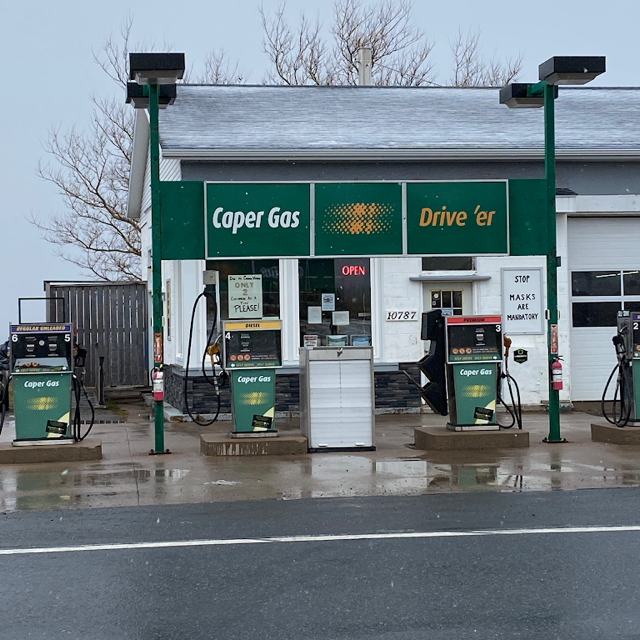
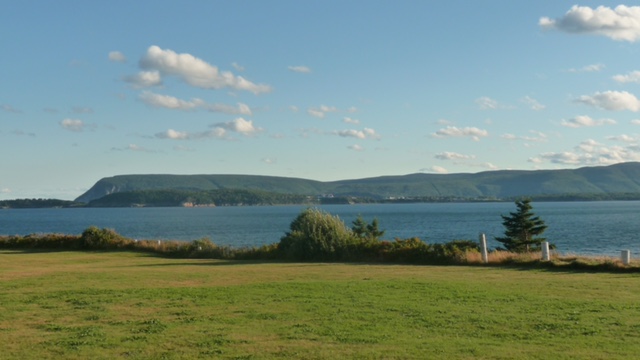
Cape Breton trip. We took a fabulous vacation in Cape Breton, did the Cabot Trail (Caper Gas anyone?), stayed in a magical cabin in Ingonish with a hot tub watching the sunset over Cape Smokey. Spent some fun time with Mark & Anne in Port Hood – lovely beach and sunsets. Although it was a LOT of driving, which meant our day in Baddeck was basically spent with me sleeping in our hotel room.
Yes, the Caper Gas slogan is “Drive ‘er”
Our view of Cape Smokey – even better in a hot tub 🙂
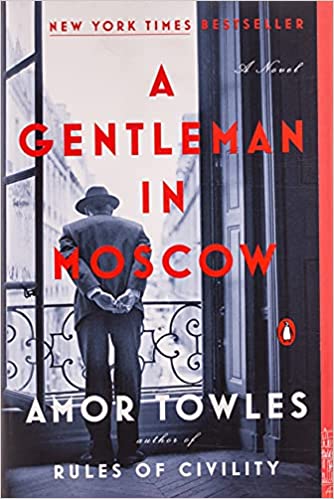
A Gentleman in Moscow. I listened to this audiobook last winter, and it was truly the perfect pandemic lockdown book. Count Rostov faced his imprisonment in the Metropole hotel in Moscow with grace and humour; I can’t say it inspired me to do the same, but I appreciated that book so much. One of my favourites of all time now. Read at the perfect time, in the perfect way, listening to it on my daily walks to the grocery store, all masked up. Reminds me that when you read a book is sometimes as important as the book itself – like reading The Time Traveller’s Wife while visiting Chicago, it made me love the book even more as I walked around its setting.
Count Alexander Rostov is my hero
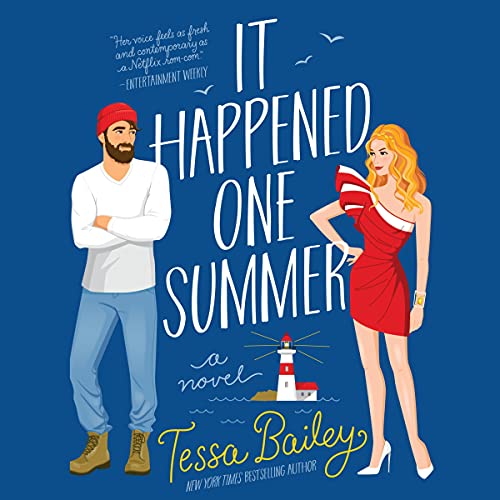
Silly sweet romances. Especially by Kristen Callihan and Tessa Bailey. I ate them up on my e-reader and on Audible. Also grateful to the Libby library app, which saved me a fortune in audiobooks. I am profoundly embarrassed by my Mahone Bay addiction to Linda Lael Miller cowboy stories, but they were what I needed at the time, apparently. I take that back – I am no longer embarrassed by my reading/listening choices. Fuck you if you’re judgmental about what people read. It’s month 21 of the fucking pandemic you fucking ass caterpillar!
I will read anything by these women. Loved Kate Clayborn’s Luck of the Draw series too.
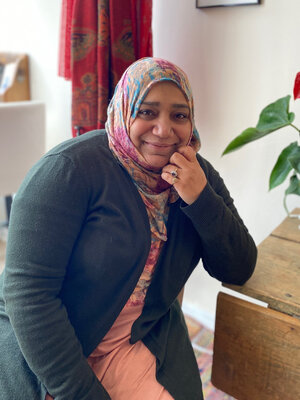
Firefly coffee sessions. My pal Sharon turned me onto this great creative writing team. For between $10 and $50/month (whatever you can afford), you can participate in a 30-minute creative writing session every morning via Zoom, Monday-Friday. The sessions start with a question (“if you were a weather system, what weather would you be this morning?”), and then a writing prompt. You write for 20 minutes, and the facilitator ends the half hour with a poem. It’s a gentle and thoughtful way to start the day. We all have our favourite facilitators – mine is Asifa. Asifa is like starting the day with a hug. And she has great taste in poems, which are the best part of the session IMO. Everyone is encouraged to turn their camera on, on Zoom, so it feels more personal. And almost every single attendee is female – I think I saw one dude, once, clearly second-guessing his decision. And I love Lori, who has the lovely green-painted feature wall. I feel like I know Lori just because of that green wall.
Asifa = morning hugs.
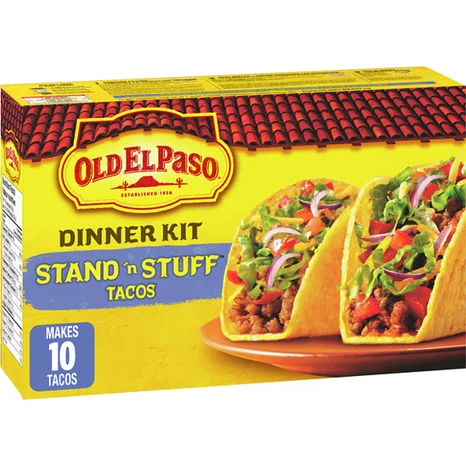
Old El Paso tacos. For real. Very old school, but I’ve rediscovered the taco kit, and G & I are addicted. And they are an entire meal (with veggies!) in 20 minutes, start to finish. I took them up to The Chalet last weekend for Friday night dinner. They were a hit. And Candy has now turned me onto the soft tacos too. My sister introduced tacos to our family after she went away to U of Waterloo in the early 80s. Tacos will always be early 80s to me. And sis still makes them, to this day. Her vegan kid fills them with a black bean mixture instead of ground beef, and I could totally get down with that.
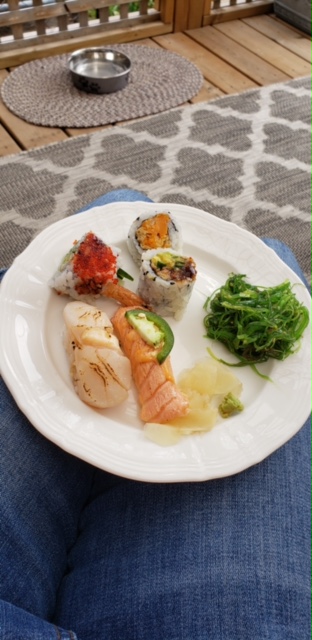
Sushi in Paula’s backyard this spring. As Wave 3 seemed to calm down, and spring fever hit, Paula and I got together in her backyard, for her birthday and then another time after that, ordered in local sushi and gorged on it. A lovely setting, very safe, with great food and much needed best friend company. What a luxury. I am also now a huge fan of seaweed salad. I can’t remember the name of the sushi place on Queen East, but it is damned good. Dragon rolls, umagi. Yum.
Sushi on the back deck, with Lu’s water bowl …
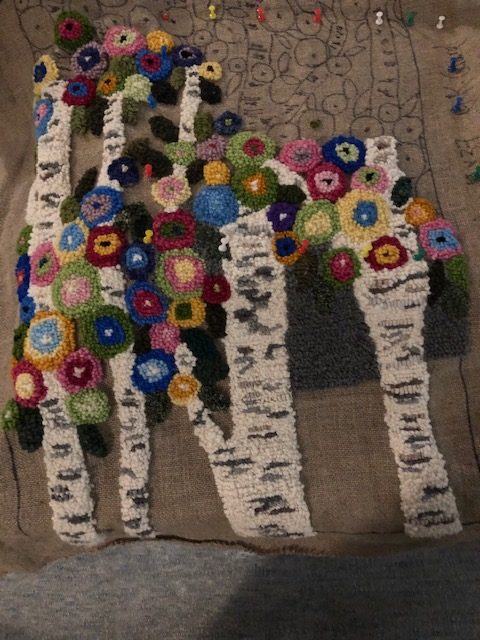
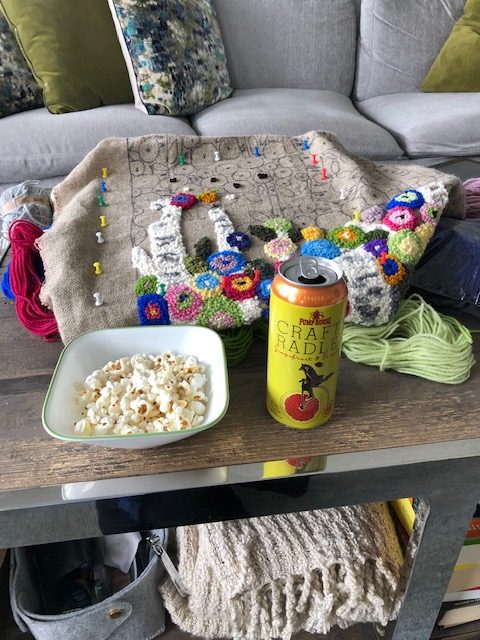
Rug hooking. I lost a bit/lot of hooking inspiration during the pandemic, but it came back in full force in Mahone Bay. Sitting in that brightly lit condo, facing the ocean, with natural light streaming in … that’s my inspiration space. I started on a new rug with many happy colours. It’s still down there, waiting for me to finish it this upcoming summer 2022 (fingers crossed). (Does anyone else think 2022 sounds like sci-fi? For some reason 2022 seems so much farther in the future than 2021.)
My comfy rug hooking space w/ inspirational view
Can you hook while drinking beer and eating popcorn – yes!
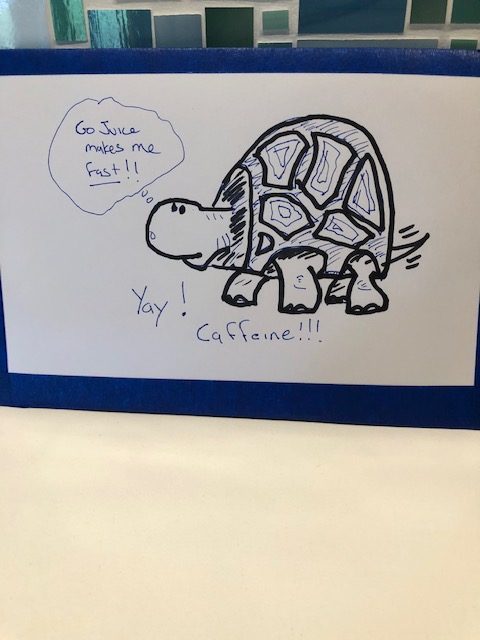
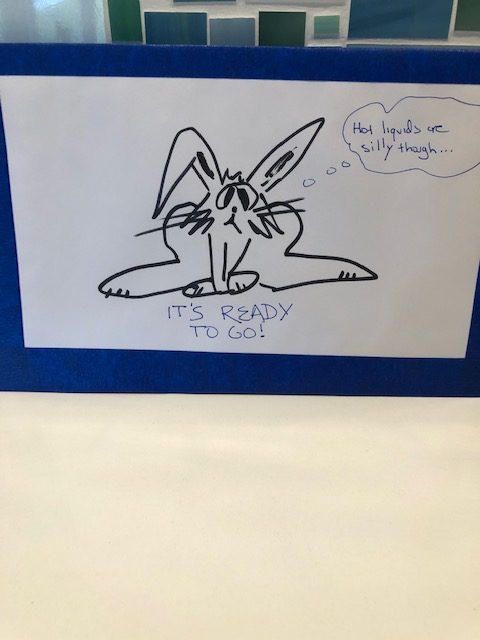
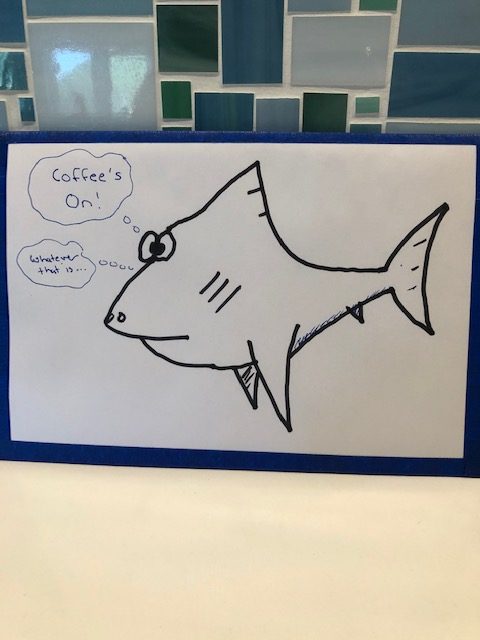
Sweetie making coffee. It’s the small gestures that mean the most. Hubby gets the coffee ready every night, so I just need to push the on button in the morning. Invaluable for those 8 am Condo Board meetings via Zoom. He has various little signs he sets out against the coffee maker, letting me know it’s set to blow. They are adorbs. I have promised to rug hook that fish for him. It’s his signature. I remember him passing me notes in the library during law school, when we were supposed to be studying, with that exact fish on them.
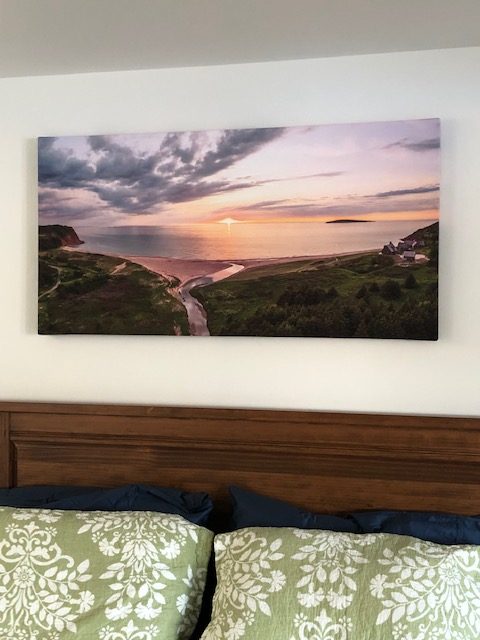
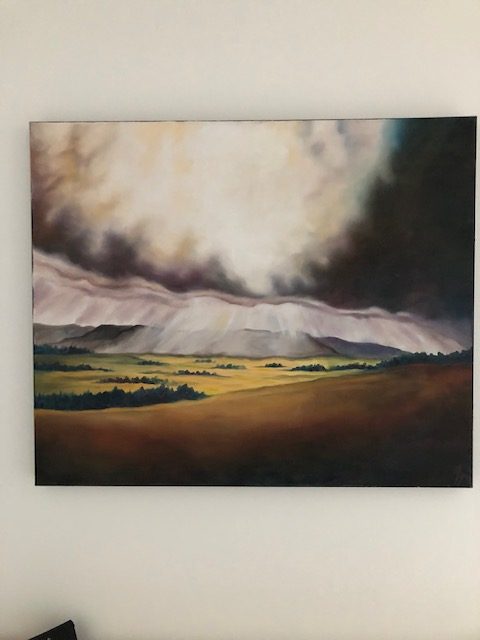
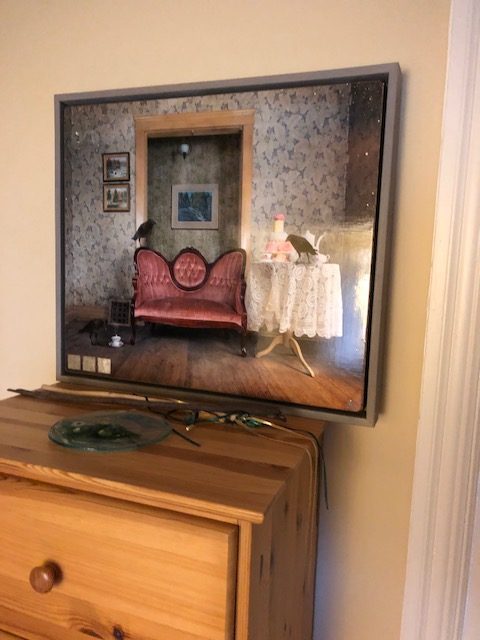
Beautiful art. We added to our collection, here in TO and in MB.
Lynn Misner, Power House Art Gallery, Lunenburg
Cape Breton Gallery, Inverness (photo of Inverness Beach)
More Lynn Misner, we love her
My birthday present to me – Birds of a Feather, Morgan Jones, Collective 131 Toronto
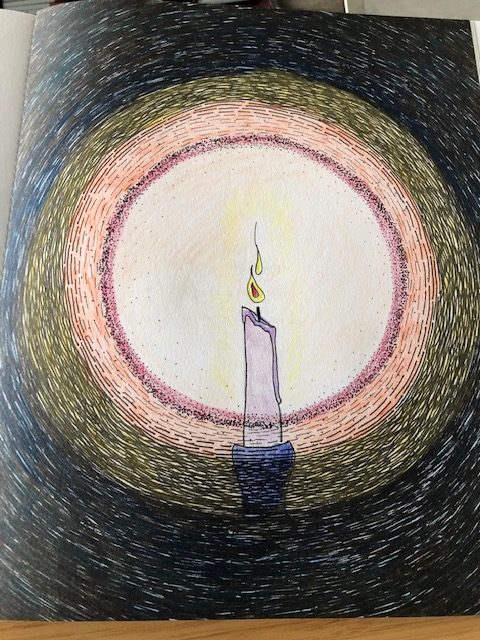
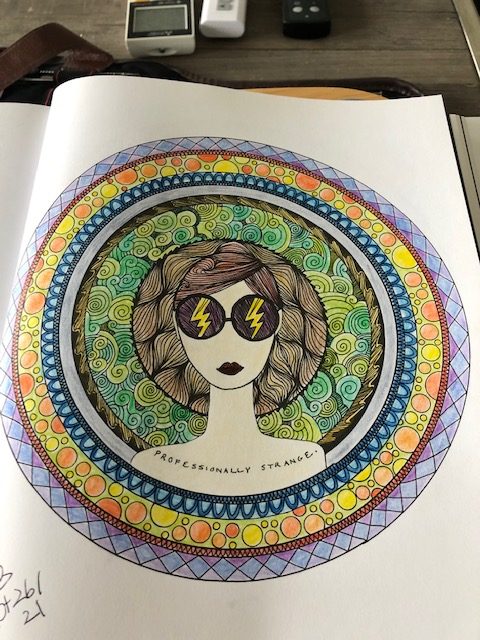
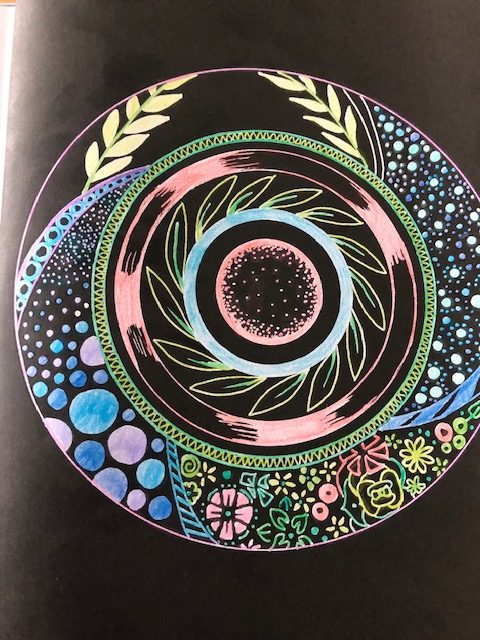
Colouring. I don’t do this enough, but again, I seem to be inspired by Mahone Bay. This was one lovely afternoon in September.
All from Jenny Lawson’s You Are Here
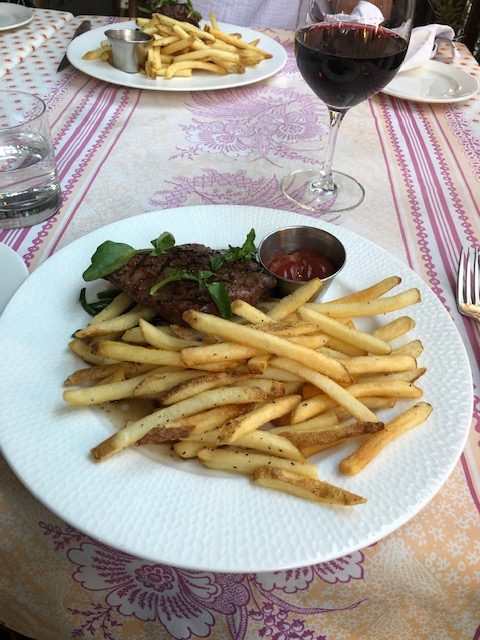
Eating out. You don’t know what you love until you miss it. Going out to eat with pals is such a simple luxury, and one we didn’t have for months and months. I’ve had only a handful of meals here in TO in 2021, but they were all fabulous. And with fabulous friends and colleagues.
Steak frites @ Biffs with Paula & B – July
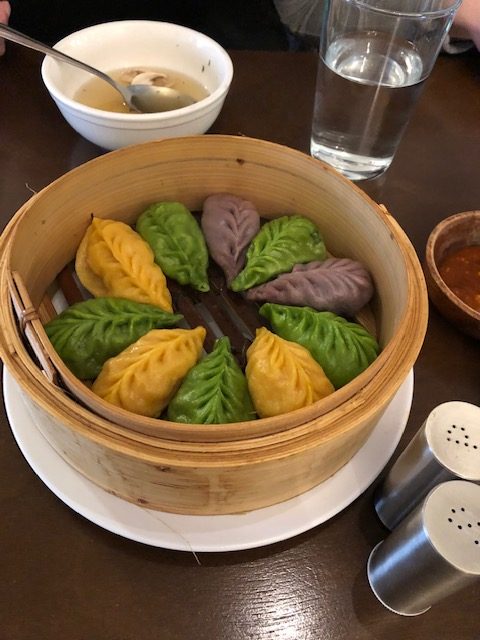
Momos at Momo Hut w Paula – October
Grouper soup @ Hanoi Three Seasons with Paula – November
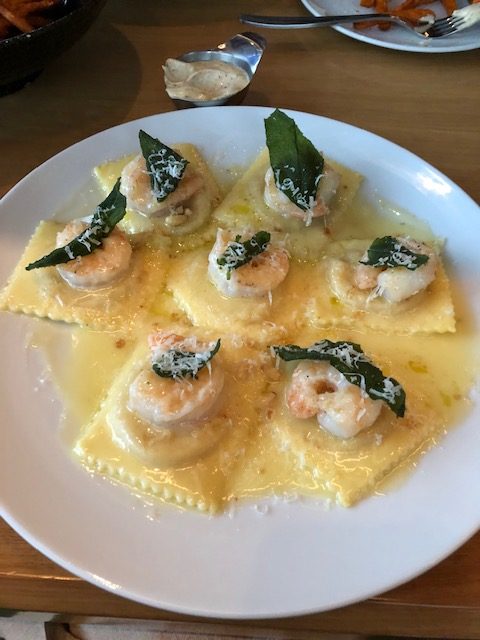
Butternut squash ravioli with prawns, Cactus Club Sherway with Janet – December
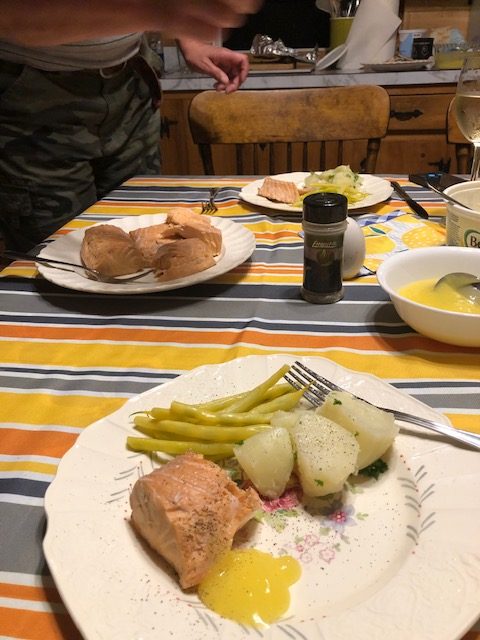
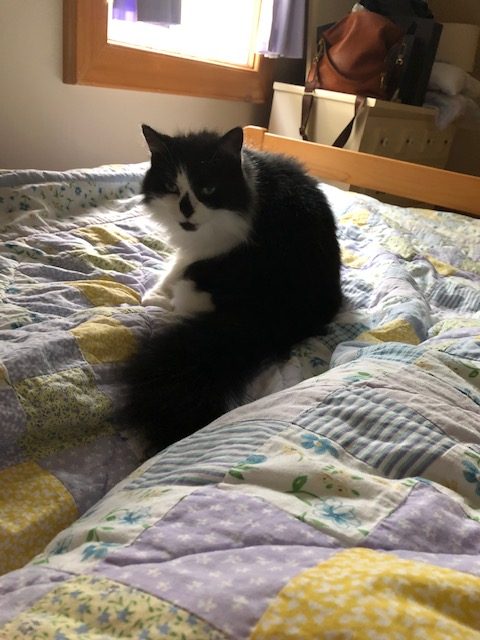
Burnt Church! I got to visit Paula at her family cottage in Burnt Church, NB, for the very first time, over a long weekend in August. And got to meet some of her family. Places and people I’ve heard about for 20+ years. It was a blast (except that P had a HORRIBLE tooth ache the entire time). We made poached salmon & homemade mayo, which totally changes my mind about what mayo is. It is spectacular. We went to The Gully (beer was imbibed in the truck on the way, yikes). We played Left Right Centre with her bro & sis-in-law, both of whom are more fabulous than Paula led me to believe. And P’s poor beleaguered kitty cat Em – simple-minded, needy yet aloof fluffball – bonded with me out of desperation. That cat hates P’s dog so so so so much.
Poached salmon, boiled potatoes, yellow beans & homemade mayo. Delish.The Burnt Church church (no longer there! dude bought it and moved it!)CottageSweet simple Em, starved for affection, would NOT leave me alone in bedThe Gully